Furniture Maintenance Philippines: Tips for Furniture Care
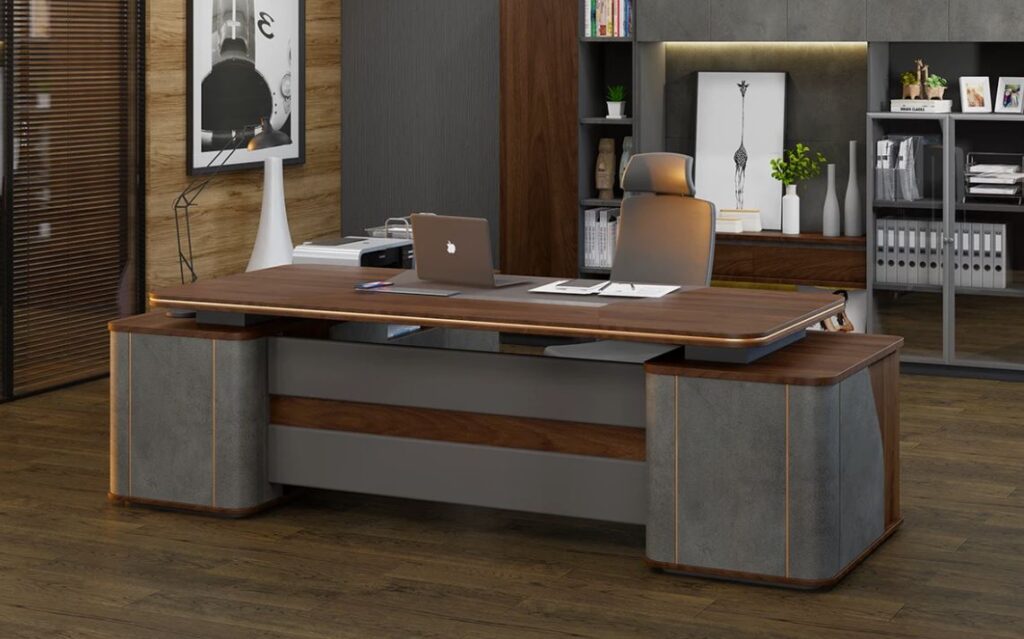
Office furniture is a major investment for businesses, especially in busy commercial areas such as Manila and Quezon City. Desks, office tables, chairs, cabinets, workstations, and conference furniture are used every day, so regular care is essential. Furniture Maintenance Philippines helps businesses protect their furniture from premature wear, maintain a professional workplace appearance, and reduce avoidable replacement costs.
Proper maintenance is not limited to cleaning surfaces. It also involves checking hardware, protecting materials from moisture and excessive heat, repairing minor problems early, and using furniture according to its intended purpose. For companies managing multiple workstations or large offices, a structured maintenance routine can make a significant difference in furniture lifespan and workplace efficiency.
Why Office Furniture Maintenance Matters
Office furniture experiences continuous use. Employees open drawers, move chairs, adjust desks, connect equipment, and frequently handle surfaces throughout the working day. Without proper maintenance, small problems can gradually become expensive repairs.
A loose screw may eventually cause a table component to become unstable. A damaged chair wheel can affect movement and potentially scratch flooring. Moisture left on a wooden surface may cause stains or swelling. Dust accumulation can also affect moving components and make furniture look older than it really is.
Regular maintenance helps identify these issues before they become major problems. It also supports a cleaner and more organized office environment.
For businesses in Manila and Quezon City, maintenance can be particularly important because office furniture may be exposed to humidity, air-conditioning changes, dust, frequent cleaning, and heavy daily use.
Common Office Furniture Materials in the Philippines
Different furniture materials require different maintenance methods. Understanding the material is the first step toward proper care.
Wood and wood-based furniture should be protected from excessive moisture and direct heat. Surfaces can generally be cleaned with a soft, slightly damp cloth followed by a dry cloth. Standing water should never be left on the surface for extended periods.
Laminate furniture is popular in offices because it is practical and relatively easy to maintain. Regular dusting and gentle cleaning can help preserve its appearance. Abrasive cleaners should be avoided because they can gradually damage the finish.
Metal furniture requires attention to dust, moisture, and hardware. Metal frames should be wiped regularly, while signs of corrosion should be addressed early.
Glass office tables and partitions need suitable glass-safe cleaning products and soft cloths. Heavy objects should not be dropped or dragged across glass surfaces.
Fabric office chairs require regular vacuuming and prompt treatment of spills. Different upholstery materials may have different cleaning requirements, so manufacturers’ care instructions should be followed whenever available.
How Often Should Office Furniture Be Maintained?
The ideal maintenance schedule depends on furniture type, usage, workplace conditions, and the number of employees using the furniture.
Daily care can include removing food particles, wiping frequently touched surfaces, and checking for obvious spills or damage. Weekly maintenance can involve deeper cleaning of desks, chairs, cabinets, and workstations.
Monthly inspections should focus on screws, hinges, drawer mechanisms, chair wheels, table legs, workstation connections, and other moving or load-bearing components.
Businesses with high-traffic offices may need more frequent inspections. A company with hundreds of employees using shared workstations, for example, will generally experience faster wear than a small office with limited furniture usage.
Creating a maintenance schedule makes these tasks easier to manage and reduces the chance of important problems being overlooked.
Best Practices for Maintaining Office Tables
Office tables often receive significant daily wear. Computers, monitors, documents, stationery, coffee cups, and other equipment are regularly placed on their surfaces.
Avoid placing excessively hot objects directly on furniture surfaces. Use appropriate protective mats or coasters when necessary. Spills should be cleaned promptly, particularly on materials that can absorb moisture.
The table should also be used according to its intended capacity. Overloading drawers or placing unusually heavy equipment on a desk can put unnecessary pressure on its structure.
Check table legs and connecting hardware periodically. If a table begins to wobble, do not ignore the issue. Tightening appropriate fittings or arranging professional repair can prevent further structural damage.
Modern Office Table Designs can also help businesses select office tables that suit their workspace requirements, employee usage, and preferred design style.
Maintaining Office Chairs for Daily Use
Office chairs contain several moving parts, making regular inspection important. Wheels, casters, armrests, adjustment mechanisms, bases, and screws can all experience wear.
Keep chair wheels free from accumulated dust, hair, and debris. Check whether the wheels move smoothly and whether the chair remains stable when occupied.
Height adjustment and reclining mechanisms should also be inspected if they begin behaving differently from normal. Avoid forcing adjustment controls because excessive pressure can damage internal components.
Chair upholstery should be cleaned according to its material. Spills should be treated quickly rather than allowed to become permanent stains.
Employees should also avoid standing on office chairs or using them as step stools. Such misuse can create unnecessary safety risks and damage the chair.
Caring for Office Cabinets and Storage Units
Storage furniture needs regular attention because drawers and cabinet doors are frequently opened and closed.
Do not overload drawers beyond their intended capacity. Excessive weight can affect drawer slides and make opening and closing difficult.
Cabinet hinges should be checked if doors become uneven or difficult to close. Handles and locks should also be inspected periodically.
For filing cabinets and storage units used in busy offices, labeling can help employees avoid unnecessary searching and repeated opening and closing. Good organization therefore supports both furniture care and workplace efficiency.
How Humidity Can Affect Furniture in the Philippines
The local environment is an important consideration when maintaining office furniture in the Philippines. Humidity and temperature changes can affect certain furniture materials over time.
Wood-based products may react to prolonged exposure to moisture. Excess humidity can contribute to swelling, warping, or other material changes depending on construction and finish.
Good ventilation and properly managed indoor conditions can help reduce environmental stress on furniture. Air-conditioning systems should also be maintained properly to prevent unusual moisture problems.
Furniture should not be placed directly against areas where water leaks or condensation regularly occurs. If moisture damage is noticed, the source should be addressed before attempting cosmetic repairs.
Cleaning Products: What Should You Avoid?
Using the wrong cleaning product can damage furniture rather than protect it.
Strong chemicals, abrasive powders, rough cleaning pads, and excessive amounts of water may harm finishes and surfaces. The safest approach is to follow the manufacturer’s cleaning recommendations for the specific material.
A soft microfiber cloth is suitable for many routine dusting tasks. However, the correct cleaning solution depends on whether the surface is laminate, wood, metal, glass, leather, fabric, or another material.
When uncertain, test a cleaning product on a small, inconspicuous area before applying it broadly.
Repair Minor Problems Before They Become Major
One of the most effective maintenance principles is early intervention.
A loose table leg, damaged drawer runner, squeaky chair, unstable workstation connection, or cracked component should not be ignored simply because the furniture remains usable.
Small problems often become more complicated when furniture continues to receive heavy daily use. Early inspection and repair can potentially extend service life and reduce the need for complete replacement.
Businesses can maintain a simple inspection record showing which furniture requires cleaning, adjustment, repair, or replacement. This approach is especially useful for larger offices.
Furniture Maintenance for Manila and Quezon City Offices
Businesses operating in Manila and Quezon City may have different office layouts, building conditions, employee numbers, and furniture requirements. Maintenance plans should therefore be adapted to the workplace rather than treated as a one-size-fits-all process.
A small professional office may only need periodic inspections, while a large corporate workspace may benefit from scheduled maintenance across individual departments.
Shared workstations and meeting rooms often require additional attention because multiple employees use the same furniture. Reception areas also deserve regular maintenance because furniture in these spaces contributes directly to visitors’ first impressions.
Schools, hospitals, government offices, coworking spaces, and commercial companies can similarly benefit from planned furniture inspections.
Signs That Office Furniture Needs Professional Attention
Some furniture problems are simple enough for routine maintenance, while others require professional assessment.
Visible cracks, unstable structures, damaged frames, broken adjustment mechanisms, severely damaged surfaces, and recurring hardware problems should be evaluated rather than repeatedly patched.
Professional assistance can also be useful when a business is renovating an office, relocating furniture, expanding its workspace, or replacing outdated workstations.
Instead of waiting until furniture becomes unusable, businesses can assess its current condition and determine whether repair, refurbishment, reconfiguration, or replacement makes the most practical financial sense.
How Proper Maintenance Reduces Long-Term Costs
Furniture Maintenance Philippines is an investment in asset longevity. Replacing an entire office setup every time a minor component fails can quickly increase operating expenses.
Regular maintenance can help businesses identify which furniture should be repaired and which items have reached the end of their practical service life. This allows procurement teams to plan expenses rather than responding to unexpected failures.
Maintenance can also support workplace consistency. When desks, chairs, cabinets, and workstations remain in good condition, the office looks more professional and employees can use their workspace more comfortably.
Create a Simple Office Furniture Maintenance Plan
An effective maintenance program does not need to be complicated. Start by creating an inventory of office furniture and identifying the material and condition of each major item.
Next, establish routine cleaning and inspection intervals. Assign responsibility to specific employees or facility teams and maintain a record of repairs.
High-use furniture should receive priority. Meeting tables, reception furniture, employee chairs, shared workstations, and frequently accessed storage units may require more frequent inspections than furniture used occasionally.
Businesses should also keep manufacturer information and warranty documents where possible. These records can be useful when determining appropriate repair methods or replacement parts.
When Should You Replace Office Furniture?
Maintenance can extend furniture life, but every item eventually reaches a point where replacement becomes more practical.
Replacement may be worth considering when furniture has significant structural damage, repeated mechanical failures, outdated functionality, or a design that no longer supports the workplace.
For example, an office may have desks that remain physically usable but provide insufficient cable management or workspace for modern equipment. In such cases, replacing selected furniture can improve functionality while avoiding a complete office redesign.
The objective should not be to replace furniture as quickly as possible. Instead, businesses should balance condition, safety, functionality, employee needs, appearance, and total cost.
Frequently Asked Questions
What is furniture maintenance?
Furniture maintenance involves cleaning, inspecting, repairing, adjusting, and protecting furniture to keep it functional and attractive for longer.
How often should office furniture be cleaned?
Frequently touched surfaces can be cleaned daily, while deeper cleaning can be performed weekly or according to the office environment and furniture material.
How can I protect wooden office furniture?
Keep wooden furniture away from excessive moisture and direct heat, clean it with suitable products, and wipe spills promptly.
Does humidity affect office furniture in the Philippines?
Yes. Prolonged exposure to humidity and moisture can affect some materials, particularly wood-based products, depending on construction and finish.
When should office furniture be replaced?
Furniture should be considered for replacement when it becomes structurally unsafe, repeatedly requires repairs, no longer meets workplace needs, or has reached the end of its useful service life.
Is professional furniture maintenance necessary for offices?
Professional assistance can be useful for large offices, complex furniture systems, significant repairs, relocation projects, and furniture that requires specialized handling.
Final Thoughts
Effective Furniture Maintenance Philippines is about more than keeping office furniture clean. It involves routine inspections, appropriate cleaning methods, early repairs, responsible usage, and an understanding of how local environmental conditions can affect different materials.
For businesses in Manila and Quezon City, a planned maintenance strategy can help protect furniture investments while maintaining a professional and functional workplace. Whether you operate a startup, corporate office, school, hospital, government facility, or commercial workspace, taking care of furniture today can help reduce unnecessary replacement expenses in the future.
If you are reviewing your current office setup or planning new furniture for your workplace, Modern Office Table Designs can be considered as part of the process of assessing suitable office tables and furniture solutions for your requirements. A practical approach is to evaluate your space, usage patterns, employee needs, and maintenance expectations before making purchasing decisions.