
Office Seating Philippines: Smart Choices for Every Office
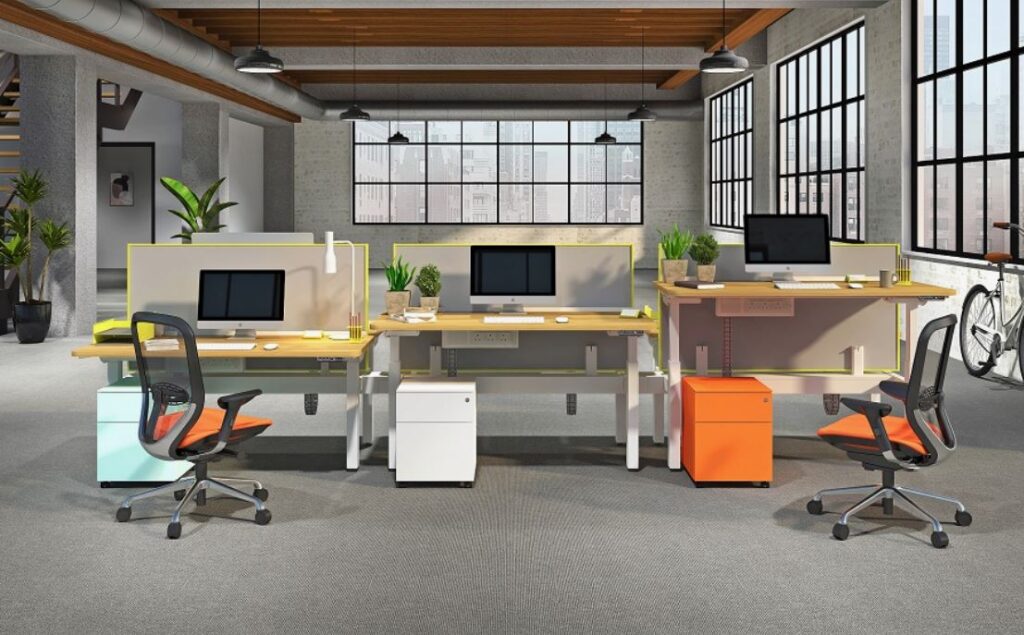
Choosing the right Office Seating Philippines solutions can have a major impact on comfort, productivity, workspace organization, and the overall appearance of a business environment. Whether you are furnishing a corporate office in Manila, setting up a startup in Quezon City, renovating a school, or planning a professional workspace for a growing company, seating should be selected based on more than appearance alone. Ergonomics, durability, available space, employee requirements, maintenance, and budget all matter when creating a practical office.
Modern workplaces often include different seating requirements for employees, managers, visitors, meeting rooms, reception areas, and collaborative spaces. A single chair style may not be suitable for every area. By understanding the available options and matching them to specific workplace needs, businesses can create offices that are comfortable, functional, and visually consistent.
Why Office Seating Matters in Modern Workspaces
Office seating is one of the most frequently used elements in a workplace. Employees may spend several hours sitting while working at computers, attending meetings, communicating with clients, or completing administrative tasks. Poorly selected seating can contribute to discomfort and make long working periods less pleasant.
Good office seating should support the user’s posture while allowing natural movement. Adjustable features can also make a chair easier to customize for different users. Seat height, back support, armrests, cushioning, and mobility are all important considerations when choosing workplace chairs.
For businesses in Manila and Quezon City, seating also needs to suit the local working environment. Offices may range from compact startup spaces to large corporate facilities. The best choice therefore depends on the size of the office, number of employees, layout, daily usage, and workplace design.
Types of Office Seating for Philippine Businesses
Different areas of an office require different seating solutions. Understanding these categories makes the purchasing process easier and helps businesses avoid choosing furniture based only on appearance.
Ergonomic Office Chairs
Ergonomic chairs are designed around user comfort and adjustability. Features may include adjustable seat height, lumbar support, armrests, backrest adjustments, and a suitable seat depth.
They are particularly useful for employees who work at desks for extended periods. A well-designed ergonomic chair can also complement an ergonomic desk setup by helping users maintain a comfortable working position.
Executive Office Chairs
Executive chairs typically provide a larger backrest, additional cushioning, and a more substantial appearance. They are often used in private offices, management rooms, and executive workspaces.
When selecting executive seating, businesses should balance visual appeal with practical comfort. A stylish chair is useful only when it also provides suitable support for regular work.
Visitor Chairs
Visitor chairs are commonly placed in reception areas, private offices, consultation rooms, and meeting spaces. Their primary purpose is to provide comfortable seating for guests without taking up excessive floor space.
Stackable visitor chairs can be particularly useful when businesses need flexibility. They can be stored when not required and arranged quickly for meetings or events.
Conference Room Seating
Meeting rooms require chairs that support comfortable communication during discussions and presentations. Conference chairs should provide sufficient back support while fitting appropriately around the conference table.
The chair dimensions should also be considered before purchasing. Oversized chairs can restrict movement around the table, while excessively compact seating may reduce comfort during longer meetings.
Reception Seating
Reception areas create an important first impression for visitors. Comfortable lounge chairs, sofas, and coordinated seating can make the space feel welcoming and professional.
Businesses should also consider the expected waiting time. A reception area where visitors may wait for several minutes requires different seating considerations from a small reception desk where visitors are immediately attended to.
Training and Classroom Chairs
Schools, training centers, seminar rooms, and corporate learning spaces often require seating that can be moved and rearranged easily.
Lightweight or stackable chairs can make these spaces more adaptable. Where writing surfaces are required, chairs with integrated tablet arms may also be considered.
How to Choose Office Seating for Your Business
Selecting office chairs should begin with understanding how the furniture will actually be used. A practical assessment can prevent businesses from spending money on features they do not need while ensuring that important comfort and durability requirements are covered.
Start by considering the number of users and the average amount of time they spend sitting. Employees who work at desks throughout the day generally require more adjustable support than visitors who sit for short periods.
Next, evaluate the available floor space. Compact offices in busy areas of Manila may require seating with a smaller footprint, while larger corporate offices may have more flexibility.
The desk should also be considered at the same time. Chair height needs to work with the desk height, and users should have enough legroom to sit comfortably. Purchasing chairs separately without considering existing workstations can lead to an uncomfortable setup.
Durability is another important consideration. High-traffic workplaces need seating materials and construction that can withstand frequent daily use. For businesses furnishing an entire office, ease of maintenance can also have a significant long-term impact.
Ergonomics and Employee Comfort
Ergonomics should be an important part of office seating decisions. A chair should allow the user to maintain a comfortable working posture while providing appropriate support.
Adjustability is particularly valuable in workplaces where multiple employees have different body sizes and working preferences. An adjustable chair can accommodate different users more effectively than a fixed design.
Businesses should also look beyond the chair itself. Ergonomic seating works best as part of a complete workstation that includes an appropriately positioned desk, monitor, keyboard, and other frequently used equipment.
This is why office furniture planning should consider seating and workstations together rather than treating chairs as an isolated purchase.
Office Seating and Workplace Design
Office Seating Philippines contributes to the visual identity of a workplace. Color, material, shape, and design can influence how professional or welcoming an office feels.
A corporate office may benefit from coordinated seating throughout executive rooms, employee workstations, and meeting spaces. Meanwhile, creative businesses and startups may prefer more flexible combinations of chairs, collaborative seating, and informal lounge areas.
The key is consistency. Different seating types can be used across different zones while maintaining a coherent overall design.
Businesses working with architects and interior designers can also integrate seating into the broader office layout. This approach helps ensure that furniture supports circulation, collaboration, privacy, and employee comfort.
Choosing Materials for Philippine Office Seating
The material used in an office chair affects appearance, comfort, durability, and maintenance.
Fabric seating can provide a softer and more breathable feel and is available in many colors and patterns. Mesh chairs are often selected for their breathable backrests and contemporary appearance. Leather or synthetic leather seating can create a more formal appearance and may be suitable for executive offices and meeting rooms.
The best material depends on the location and expected usage. High-traffic environments may require easy-to-clean surfaces, while employee workstations may prioritize breathability and long-term comfort.
Before purchasing large quantities, businesses should consider how the seating will be maintained and whether replacement parts or servicing are available.
Office Seating for Manila and Quezon City Offices
Businesses in Manila and Quezon City have diverse workplace requirements. Offices may operate in high-density commercial buildings, corporate developments, educational facilities, healthcare environments, or smaller business spaces.
Space planning is therefore especially important. A chair that works well in a large headquarters may not be suitable for a compact office with limited circulation space.
Businesses should measure their work areas before ordering furniture. Consider desk dimensions, walking paths, meeting areas, storage, doors, and emergency access.
For organizations furnishing multiple rooms, creating a furniture plan before purchasing can also help maintain consistency and prevent unnecessary replacements.
Office Seating Philippines Buying Considerations
When comparing office seating suppliers, businesses should evaluate more than the initial price. The overall value of a chair includes its construction, expected lifespan, comfort, maintenance requirements, warranty terms, and suitability for the intended environment.
A low-cost chair may appear attractive initially but become expensive if it needs frequent replacement. Conversely, a premium chair may not be necessary for occasional visitor seating.
The right approach is to match the investment to the usage level. High-use employee seating deserves greater attention to ergonomics and durability, while occasional-use seating can prioritize practicality and appearance.
Businesses should also ask suppliers about available sizes, materials, customization options, delivery, installation, and after-sales support.
Why Professional Office Furniture Planning Helps
Planning an office furniture project before purchasing can improve both functionality and cost control. Professional planning considers how people move through the workplace and how furniture interacts with the available space.
For example, employee workstations need sufficient room for chairs to move backward and users to enter and leave their seats comfortably. Meeting rooms need enough clearance around tables, while reception areas should maintain a clear path for visitors.
A professional furniture supplier can help businesses determine appropriate seating quantities and coordinate chairs with desks, tables, storage units, and other office furniture.
This can be particularly valuable for large projects where purchasing decisions affect multiple departments or locations.
Create a Comfortable and Professional Office
The right seating can make an office feel more organized, comfortable, and professional. However, successful workplace design is not simply about selecting attractive chairs. Businesses should consider employee needs, visitor expectations, available space, furniture durability, maintenance, and overall office layout.
For organizations searching for Office Seating Philippines solutions, the best starting point is to define the purpose of every seating area. Employee workstations, conference rooms, reception areas, executive offices, and training rooms may each require different furniture.
Modern Office Table Designs can help businesses consider seating as part of a complete office furniture strategy rather than as an individual purchase. Whether you are furnishing a new workplace or replacing outdated furniture, selecting the right seating can contribute to a more practical and welcoming environment.
Frequently Asked Questions About Office Seating Philippines
What is the best office seating for employees?
Ergonomic adjustable office chairs are generally a strong choice for employees who spend long periods working at desks because they can provide greater flexibility and support.
How do I choose office seating for a small office?
Measure the available space first and prioritize compact seating with appropriate dimensions, mobility, and functionality without overcrowding the workspace.
Is ergonomic seating worth the investment?
For employees who sit and work at desks for extended periods, adjustable ergonomic seating can be a worthwhile investment because comfort and workstation fit are important considerations.
What type of seating is suitable for meeting rooms?
Conference chairs with comfortable back support and dimensions appropriate for the meeting table are generally suitable for meeting rooms.
Should office chairs match office desks?
They do not have to be identical, but chair dimensions, seat height, style, and overall proportions should work well with the desks and office layout.
Where can businesses buy office seating in the Philippines?
Businesses should compare office furniture suppliers based on product quality, available designs, customization, delivery, installation, warranty, and after-sales support.
How much office seating does a business need?
The required quantity depends on employee numbers, workstation layouts, meeting rooms, reception areas, visitor capacity, and whether flexible or shared workspaces are used.
Final Thoughts
Good office seating is an investment in workplace functionality, comfort, and professional presentation. From ergonomic employee chairs to conference seating and reception furniture, every choice should reflect the way a space is actually used.
For companies in Manila and Quezon City, careful planning can make it easier to balance comfort, available space, design, durability, and budget. Businesses can also benefit from working with an experienced office furniture provider that understands complete workspace requirements.
If you are planning a new office, renovating an existing workspace, or furnishing multiple locations, consider requesting a furniture consultation and quotation before making a final purchase. A properly planned seating solution can help create a workplace that works better for employees, visitors, and the business as a whole.