
Sustainable Office Furniture for Modern Manila Offices Today
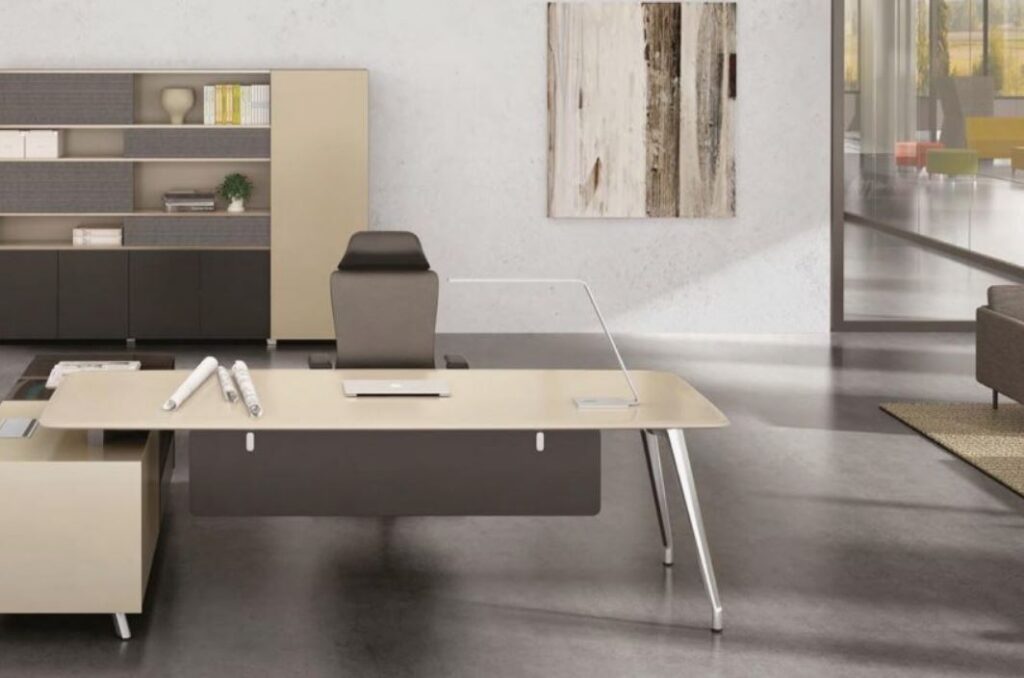
Creating a productive workplace involves more than choosing attractive desks and chairs. Businesses in Manila and Quezon City are increasingly considering how their furniture choices affect long-term costs, employee comfort, resource consumption, and the overall working environment. Sustainable Office Furniture offers a practical way to create functional workspaces while giving greater attention to responsible materials, durability, efficient production, and long-term usability. For companies planning a new office, renovating an existing workplace, or furnishing multiple departments, choosing sustainable furniture can support both environmental goals and sensible business decisions.
What Is Sustainable Office Furniture?
Sustainable office furniture refers to desks, chairs, workstations, cabinets, tables, storage units, and other workplace products designed with greater consideration for environmental impact and long-term use. Sustainability can involve the materials used, manufacturing process, product lifespan, repairability, packaging, transportation, and eventual disposal or recycling.
A sustainable office does not necessarily require every item to be made from completely natural materials. Instead, the goal is to make informed choices that reduce unnecessary waste and encourage products that remain useful for longer.
For example, a durable office desk that can be repaired, reconfigured, or reused during an office relocation may be a more practical sustainable choice than a cheaper desk that needs to be replaced frequently.
Why Sustainable Furniture Matters for Philippine Offices
Sustainable office furniture operate in a wide range of workplace environments, from compact startup offices to large corporate facilities. Office furniture must therefore balance appearance, functionality, durability, budget, and available space.
Sustainable furniture can help businesses think beyond the initial purchase price. A well-designed workstation may remain useful through several office layouts, while modular furniture can be adjusted as teams grow or departments change.
For companies in Manila and Quezon City, this approach can be particularly useful when planning office expansions or relocations. Instead of purchasing completely new furniture whenever workplace requirements change, businesses can consider products that can be rearranged, reused, or adapted.
This creates a more practical approach to office furniture purchasing while potentially reducing unnecessary replacement costs and material waste.
Key Features of Sustainable Office Furniture
The sustainability of office furniture depends on several factors rather than one single characteristic.
Durability is one of the most important considerations. Furniture that remains functional for many years can reduce the frequency of replacements. Strong frames, reliable hardware, quality surfaces, and proper construction can contribute to a longer product lifespan.
Material selection is another important factor. Depending on the product, manufacturers may use responsibly sourced wood, recycled materials, recyclable metals, low-emission finishes, or other materials selected with environmental considerations in mind.
Repairability also matters. Furniture with replaceable components can often remain useful even when one part becomes damaged. A desk with replaceable hardware, for example, may be easier to maintain than a product that must be discarded because of a minor component failure.
Modular design provides another advantage. Modular office workstations can be rearranged when departments expand or workplace layouts change. This can make furniture more adaptable and reduce the need for complete replacements.
Sustainable Office Desks for Modern Workplaces
The office desk is one of the most frequently used pieces of workplace furniture, making it an important part of sustainable office planning.
A sustainable office desk should provide adequate working space while offering durability and flexibility. Businesses can consider desks made with durable materials, replaceable components, efficient designs, and finishes that are suitable for long-term commercial use.
Modern workplaces also need to accommodate computers, monitors, charging equipment, documents, and other accessories. Cable management can therefore be an important feature. A well-planned desk can keep cables organized and reduce clutter without requiring additional disposable accessories.
Businesses should also consider whether the desk can work in different configurations. A desk that can be reused in another department or incorporated into a new office layout provides greater long-term value.
Sustainable Office Workstations and Cubicles
Open-plan offices often require multiple workstations, which makes furniture selection even more important. When dozens or hundreds of desks are being installed, durability and adaptability can have a significant impact on the overall project.
Modular workstations can provide an efficient solution because components may be reorganized as the business changes. Partitions can help define individual work areas, while shared storage and cable management can improve workplace organization.
Office cubicles can also be designed with materials and components that are easier to maintain or replace. Instead of replacing an entire workstation because one component becomes worn, businesses may be able to repair or replace the affected part.
This approach supports both operational efficiency and responsible resource use.
Choosing Sustainable Materials for Office Furniture
Material selection should be based on the intended use of the furniture, expected lifespan, maintenance requirements, and available certifications or documentation.
Wood-based products may be suitable for desks, tables, cabinets, and reception furniture. Businesses interested in responsible sourcing can ask suppliers about the origin of wood materials and any relevant environmental certifications.
Metal is another useful material for office furniture. Properly manufactured metal frames can provide strength and long-term durability. Metal components may also have recycling potential at the end of their useful life.
Recycled or recyclable materials can be considered where they meet the required performance standards. However, businesses should avoid assuming that a product is sustainable simply because it contains a recycled material. Durability, manufacturing, maintenance, transportation, and end-of-life considerations all matter.
Sustainable Furniture and Employee Comfort
Sustainability should not come at the expense of employee wellbeing.
Office furniture needs to support comfortable and productive working conditions. Ergonomic office chairs, appropriately sized desks, suitable monitor positioning, and adjustable workstation components can help employees maintain better working postures.
An ergonomic workplace can also support long-term furniture value. Adjustable products may accommodate different employees and working styles without requiring separate furniture for every person.
For companies furnishing offices in Manila or Quezon City, it is useful to consider sustainability and ergonomics together rather than treating them as separate purchasing decisions.
How to Choose Sustainable Office Furniture
Businesses should begin by identifying their actual workplace requirements. Consider the number of employees, available floor space, departments, storage needs, meeting areas, technology requirements, and expected future growth.
Next, examine furniture construction and materials. Ask suppliers about the materials used, product lifespan, maintenance requirements, available replacement components, and manufacturing practices.
Businesses should also consider flexibility. If a company expects to expand, modular office furniture can make future changes easier. If relocation is possible, furniture that can be disassembled and reinstalled may provide additional value.
Maintenance should also be part of the purchasing decision. Furniture that is easy to clean, repair, and maintain can remain useful for longer.
Finally, compare suppliers based on overall value rather than focusing exclusively on the lowest initial price.
Sustainable Office Furniture vs Traditional Furniture
Traditional office furniture is not automatically unsustainable, just as furniture marketed as sustainable is not automatically the best choice.
The main difference is the level of attention given to factors such as material sourcing, durability, repairability, recyclability, manufacturing practices, and product lifespan.
A low-cost desk that needs frequent replacement may create more waste over time than a durable desk with a higher initial price. Similarly, a modular workstation may offer greater long-term flexibility than a fixed system that becomes unsuitable after a company changes its layout.
Businesses should therefore evaluate the complete lifecycle of a product rather than considering only its purchase price.
Benefits of Sustainable Office Furniture for Businesses
Sustainable office furniture can provide several practical benefits.
Longer-lasting furniture can reduce the frequency of replacement. Durable products may also reduce maintenance interruptions when they are designed for commercial use.
Flexible furniture can support changing business requirements. This is particularly valuable for startups and growing companies that may change team sizes or office layouts regularly.
Responsible furniture choices can also support corporate sustainability objectives. Companies with environmental policies may find it easier to align workplace purchasing with broader sustainability goals when suppliers provide clear information about materials and manufacturing.
A well-designed sustainable workplace can also contribute to a positive company image. Clients, employees, partners, and visitors may increasingly notice how businesses approach environmental responsibility.
Sustainable Office Furniture for Manila and Quezon City
Office furniture requirements can vary considerably across Manila and Quezon City. Some businesses operate in high-density commercial buildings where space efficiency is essential, while others require larger corporate layouts with meeting rooms, private offices, collaborative areas, and employee workstations.
Businesses should therefore consider local office conditions when selecting furniture. Compact desks may work well where floor space is limited, while modular workstation systems can help larger companies organize departments efficiently.
For organizations furnishing multiple areas, consistent furniture specifications can also simplify procurement, installation, maintenance, and future expansion.
When evaluating suppliers, businesses should ask about delivery, installation, customization, replacement components, warranty coverage, and after-sales support. These factors can influence the real long-term value of an office furniture investment.
Common Mistakes When Buying Sustainable Office Furniture
One common mistake is focusing only on labels. Calling a product sustainable does not provide enough information to judge its overall environmental performance.
Another mistake is ignoring durability. If furniture wears out quickly, frequent replacement can undermine the benefits of selecting environmentally preferable materials.
Businesses may also overlook repairability. Before purchasing large quantities, ask whether damaged components can be replaced separately.
Poor space planning is another issue. Purchasing too much furniture can waste resources and reduce usable office space. Accurate measurements and a clear workplace plan can help prevent unnecessary purchases.
Finally, businesses should avoid selecting furniture solely because it has a lower upfront price. Total value should include durability, maintenance, flexibility, warranty, installation, and expected lifespan.
How Modern Office Table Designs Can Support Sustainable Workspaces
Modern Office Table Designs can be considered when businesses are looking for office furniture solutions that combine practical workplace requirements with contemporary design. When selecting tables and workstations, companies should focus on construction quality, suitable materials, efficient use of space, functionality, and the ability to adapt to changing workplace needs.
For businesses planning a complete office setup, furniture selection should be part of a broader workplace strategy. Desks, chairs, storage, partitions, meeting tables, and reception furniture should work together rather than being selected independently.
A thoughtful furniture plan can help businesses create a workplace that remains functional as teams and operational requirements change.
Questions to Ask an Office Furniture Supplier
Before placing a large furniture order, businesses should ask clear questions about the products and services being offered.
Ask what materials are used and whether the supplier can provide information about material sourcing. Ask about expected product lifespan, warranty coverage, maintenance requirements, replacement parts, and repair options.
It is also useful to ask whether furniture can be customized or reconfigured. For growing businesses, modularity can make future changes considerably easier.
Companies should also confirm delivery and installation arrangements, particularly when furnishing multiple office locations or larger corporate spaces in Metro Manila.
How Sustainable Furniture Can Support Office Growth
Business growth often means changing workplace requirements. New employees may require additional desks, teams may move between departments, and companies may introduce hybrid or collaborative working areas.
Furniture that can adapt to these changes can provide better long-term value. Modular desks, movable partitions, adjustable storage, and flexible meeting furniture can be reorganized instead of completely replaced.
This makes sustainability a practical business consideration rather than simply an environmental concept.
Frequently Asked Questions
What is sustainable office furniture?
Sustainable office furniture is designed with greater consideration for material use, durability, repairability, flexibility, and environmental impact throughout its lifecycle.
Is sustainable office furniture more expensive?
Some sustainable furniture can have a higher initial price, but durable and repairable products may provide better long-term value by reducing frequent replacements.
What materials are commonly used in sustainable office furniture?
Depending on the product, sustainable furniture may incorporate responsibly sourced wood, recycled or recyclable materials, durable metals, and lower-impact finishes.
Is sustainable furniture suitable for corporate offices?
Yes. Sustainable furniture can be used in corporate offices, startups, schools, hospitals, government facilities, and other professional environments when the products meet the required durability and functional standards.
Can sustainable office furniture be customized?
Many office furniture systems can be customized in terms of dimensions, configurations, finishes, storage, workstation layouts, and other requirements. Availability depends on the supplier and product range.
Where can businesses buy sustainable office furniture in Manila?
Businesses can compare local office furniture suppliers based on product quality, material information, customization, delivery, installation, warranty, and after-sales support.
How can companies make their office furniture more sustainable?
Start with durable products, avoid unnecessary purchases, choose adaptable furniture, maintain products properly, repair components when possible, and consider reuse or responsible recycling at the end of their useful life.
Final Thoughts
Choosing Sustainable Office Furniture is not simply about following an environmental trend. It is about making better long-term decisions regarding durability, workplace functionality, material selection, adaptability, maintenance, and resource use. For companies in Manila and Quezon City, these considerations can help create offices that are comfortable, professional, practical, and prepared for future changes.
Businesses should evaluate furniture based on its complete lifecycle rather than its appearance or initial price alone. A well-planned office can combine ergonomic design, efficient space utilization, durable construction, and responsible material choices without sacrificing the professional appearance employees and clients expect.
For organizations planning a new workspace or upgrading an existing one, Modern Office Table Designs can be part of the research and comparison process. The best furniture decision is ultimately one that matches the company’s space, budget, working style, growth plans, and long-term requirements.