
Corporate Furniture Philippines for Executive Office Needs
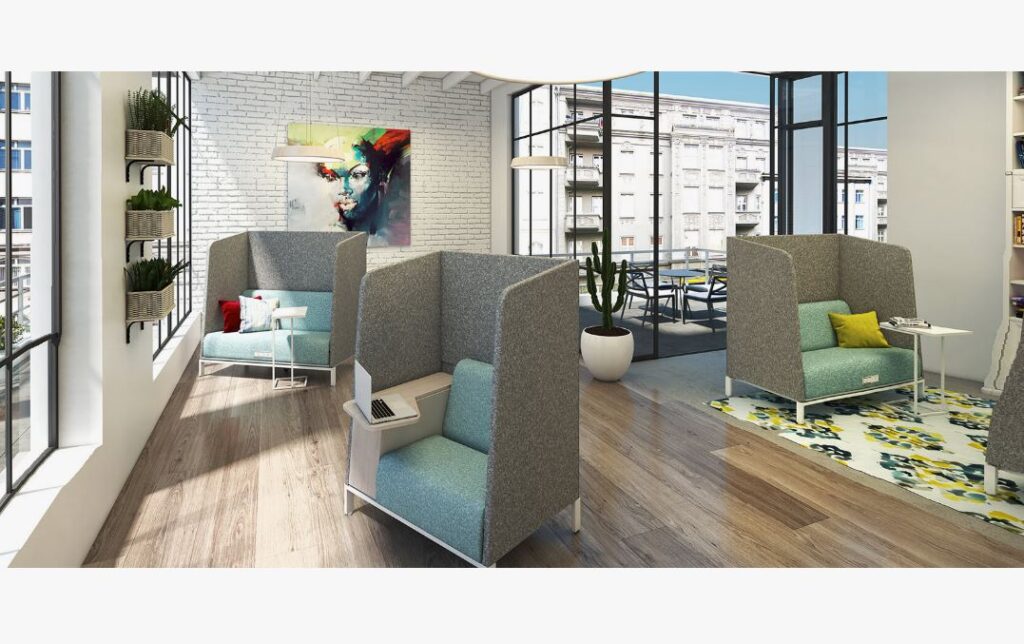
Choosing the right Corporate Furniture Philippines can influence how employees work, collaborate, meet clients, and experience the workplace every day. A well-planned corporate office needs more than attractive desks and chairs. It needs furniture that supports productivity, comfort, organization, privacy, teamwork, and the professional image of the business.
For companies in Manila and Quezon City, furniture selection also needs to reflect the realities of Philippine workplaces. Office size, available space, team structure, budget, storage requirements, and the type of work being performed should all be considered before purchasing. Whether you are furnishing a startup office, upgrading a corporate headquarters, or preparing a new commercial space, the right furniture can make the workplace more practical and welcoming.
What Is Corporate Office Furniture?
Corporate office furniture refers to furniture designed for professional workplaces and business environments. It commonly includes executive desks, workstations, office tables, ergonomic chairs, conference tables, reception counters, filing cabinets, storage units, meeting room furniture, and collaborative seating.
Unlike residential furniture, corporate furniture is selected for regular commercial use. It needs to support employees for extended working hours while maintaining a consistent appearance throughout the office. Durability, functionality, ergonomics, space efficiency, maintenance, and design are therefore important factors.
A professional office may also require different furniture solutions for different departments. Executives may need larger desks and private storage, while employees may benefit from shared workstations. Meeting rooms require appropriate conference tables and seating, while reception areas need furniture that creates a positive first impression.
Why Corporate Furniture Matters for Philippine Businesses
Furniture is an important part of the overall workplace environment. Employees interact with their desks, chairs, storage systems, and meeting areas every working day. Poorly selected furniture can make an office feel crowded, uncomfortable, and disorganized.
Good corporate furniture can support better workplace organization and create clear areas for individual work, meetings, collaboration, and administration. It can also help businesses maintain a professional visual identity when clients, partners, applicants, and other visitors enter the office.
For businesses in Manila and Quezon City, efficient space planning is particularly important. Offices can vary significantly in size, and companies often need to accommodate growing teams without wasting valuable floor space. Modular workstations, compact storage, multipurpose tables, and carefully planned layouts can help businesses use their available area more effectively.
Types of Corporate Furniture Philippines Businesses Can Consider
A corporate workplace normally requires several furniture categories rather than a single furniture style. The right combination depends on the company’s size, workflow, industry, and office layout.
Executive Office Furniture
Executive offices often require a professional desk, comfortable chair, storage cabinets, and seating for visitors. An executive desk can provide sufficient working space while reinforcing the professional character of the room.
The design should balance appearance with practical requirements. Cable management, storage, desk dimensions, and visitor seating should all be considered during planning.
Office Workstations
Workstations are suitable for teams that need dedicated work areas without completely separating employees into individual rooms. They can help organize departments while making efficient use of available floor space.
Workstation configurations can include straight desks, L-shaped arrangements, clustered workstations, and systems with privacy panels. The best configuration depends on the number of employees and the shape of the office.
Office Chairs
An office chair is one of the most frequently used pieces of workplace furniture. Employees may spend many hours sitting at their desks, making adjustability and ergonomic support important considerations.
Look for features such as adjustable seat height, suitable lumbar support, stable construction, comfortable cushioning, and appropriate back support. The chair should also match the desk height and working requirements.
Conference Tables and Meeting Furniture
Meeting rooms require furniture that supports communication. A suitable conference table should provide enough surface area for participants, documents, laptops, and other equipment without making the room feel overcrowded.
Meeting chairs should provide comfortable support while maintaining a professional appearance. For smaller offices, flexible meeting tables can provide additional versatility.
Reception Furniture
The reception area is often the first physical point of contact between a company and its visitors. A reception counter, waiting chairs, side tables, and appropriate storage should create an organized and professional environment.
Furniture in this area should reflect the company’s identity without making the space unnecessarily complicated.
Filing and Storage Furniture
Digital records have reduced some traditional filing requirements, but businesses still need physical storage for documents, supplies, equipment, and personal belongings.
Filing cabinets, mobile pedestals, storage cabinets, and shelving systems can help maintain an organized workplace. Storage should be planned alongside workstations rather than added as an afterthought.
How to Choose Corporate Furniture for Your Office
The purchasing process should begin with the needs of the workplace rather than furniture appearance alone. Start by determining how many employees will use the office and what types of work they perform.
Next, measure the available floor area. Consider entrances, windows, columns, walkways, emergency routes, meeting spaces, and other fixed elements. This information makes it easier to determine which furniture dimensions are practical.
The workflow should also influence the layout. Teams that collaborate frequently may benefit from shared workstations or dedicated collaboration areas. Employees who require concentration may need quieter work zones. Managers and executives may require private offices or dedicated meeting spaces.
Budget is another important consideration. Instead of selecting furniture based solely on the lowest initial price, consider durability, maintenance, usability, and expected lifespan. A slightly higher-quality product may provide better long-term value if it remains functional and attractive for many years.
Office Furniture Design Trends in Manila and Quezon City
Modern Philippine workplaces increasingly require flexible environments. Businesses may have permanent employees, hybrid teams, visitors, managers, and collaborative groups using the same space at different times.
This has increased interest in flexible workstations, multipurpose tables, collaborative areas, ergonomic seating, and modular furniture. Neutral finishes and clean lines are also commonly used because they can create a professional environment without overwhelming the workplace.
However, businesses should avoid choosing furniture simply because it is currently fashionable. A successful office should remain practical even when design trends change. Furniture should support the company’s actual workflow and future growth.
Corporate Furniture and Employee Productivity
Furniture does not automatically make employees more productive, but the workplace environment can influence how easily employees perform their tasks.
An organized workstation can reduce unnecessary clutter. Appropriate desk dimensions can provide sufficient space for computers, documents, and equipment. Comfortable seating can make extended desk work more manageable, while effective storage can keep frequently used items accessible.
Office layout also influences communication. Departments that work closely together may benefit from proximity, while teams requiring concentration may need greater separation.
The goal is not to fill an office with furniture. The goal is to create an environment where furniture supports the way people actually work.
Space Planning for Corporate Offices
Space planning should take place before furniture is ordered. Businesses should identify different workplace zones and determine what furniture each area requires.
A typical corporate office might include workstations, executive offices, meeting rooms, a reception area, storage, a pantry or break area, and collaborative spaces.
Circulation is equally important. Employees should be able to move comfortably between work areas, meeting rooms, storage, and exits. Furniture should not create unnecessary obstacles or make commonly used pathways difficult to navigate.
For smaller offices in Manila and Quezon City, space-efficient furniture can be especially useful. Modular desks, mobile storage, compact meeting tables, and multifunctional furniture can help businesses achieve more from limited floor space.
Common Mistakes When Buying Corporate Furniture
One common mistake is purchasing furniture based entirely on appearance. A desk may look impressive online but still be unsuitable for the available space or daily workflow.
Another mistake is ignoring ergonomics. Office chairs and desks should be selected according to the needs of the people who will use them.
Businesses may also underestimate storage requirements. Insufficient storage can quickly lead to clutter, particularly in administrative and document-heavy workplaces.
Buying everything from a single style without considering different departments is another potential problem. An executive office, reception area, meeting room, and employee workstation may require different furniture solutions while still maintaining a consistent visual identity.
How to Create a Professional Corporate Office
A professional office does not necessarily require expensive furniture. Consistency and planning often have a greater visual impact.
Choose complementary finishes, maintain clear walkways, organize cables, provide appropriate storage, and avoid overcrowding. Reception and meeting areas should receive particular attention because they are frequently seen by visitors.
Furniture should also support the company’s brand identity. A technology company may prefer a clean and flexible environment, while a traditional professional organization may require a more formal appearance.
The key is to create a workplace that feels intentional rather than simply furnished.
Why Work With an Experienced Office Furniture Provider?
Selecting corporate furniture can involve more than choosing individual products. Businesses may need help with measurements, layouts, workstation configurations, furniture combinations, delivery planning, and installation.
An experienced office furniture provider can help identify practical options based on the available space and intended use. This can reduce the risk of purchasing furniture that does not fit the office or support the workflow.
For companies operating in Manila or Quezon City, working with a provider familiar with local commercial office requirements can also make the planning and purchasing process easier.
Making Corporate Furniture a Long-Term Investment
Corporate Furniture Philippines should be evaluated as part of the company’s workplace infrastructure rather than as a short-term decoration.
Consider how the business may grow over the next few years. Modular furniture can be particularly useful when departments expand or office layouts change. Furniture with durable materials and practical maintenance requirements can also provide better long-term value.
Before making a purchase, compare dimensions, materials, functionality, warranty information, ergonomics, storage capacity, and expected usage. A detailed evaluation helps businesses make decisions based on value rather than appearance alone.
Why Choose Modern Office Table Designs?
Businesses looking for suitable office furniture can explore different workplace solutions through Modern Office Table Designs, particularly when planning professional environments that require a combination of functionality, practical layouts, and contemporary office aesthetics. The right furniture selection should always be based on the company’s space, workflow, employee requirements, and long-term plans.
Whether you are furnishing a small startup or a large corporate workplace, begin with your requirements and office measurements. Then select furniture that supports productivity, organization, comfort, and professional presentation. For businesses in Manila and Quezon City, thoughtful furniture planning can turn available office space into a more functional environment while creating a positive experience for employees and visitors.
Frequently Asked Questions About Corporate Furniture Philippines
What is corporate furniture?
Corporate furniture is furniture designed for professional workplaces, including desks, workstations, chairs, conference tables, reception furniture, storage cabinets, and executive office furniture.
How do I choose furniture for a corporate office?
Consider office size, employee requirements, workflow, ergonomics, storage needs, design preferences, durability, and budget before selecting furniture.
What furniture is essential for a corporate office?
Essential furniture commonly includes workstations or desks, office chairs, storage units, meeting furniture, and reception furniture. Requirements vary according to the business.
Is ergonomic furniture important for offices?
Yes. Ergonomic furniture can support comfortable working positions and should be considered when employees spend extended periods working at desks.
What furniture works well for small offices?
Compact desks, modular workstations, mobile pedestals, vertical storage, and multipurpose meeting furniture can help small offices use limited space efficiently.
Should office furniture match the company brand?
It can. Consistent furniture finishes, colors, shapes, and materials can help create a professional workplace that reflects the company’s identity.
Where can businesses find corporate furniture in the Philippines?
Businesses can compare office furniture providers based on product quality, customization options, service coverage, furniture selection, installation support, and suitability for their specific office requirements.
How can I plan furniture for a Manila office?
Start by measuring the available space, identifying departments and work zones, determining employee numbers, and mapping circulation routes. Then select furniture based on the resulting layout.