
Furniture Project Supplier for Complete Office Solutions
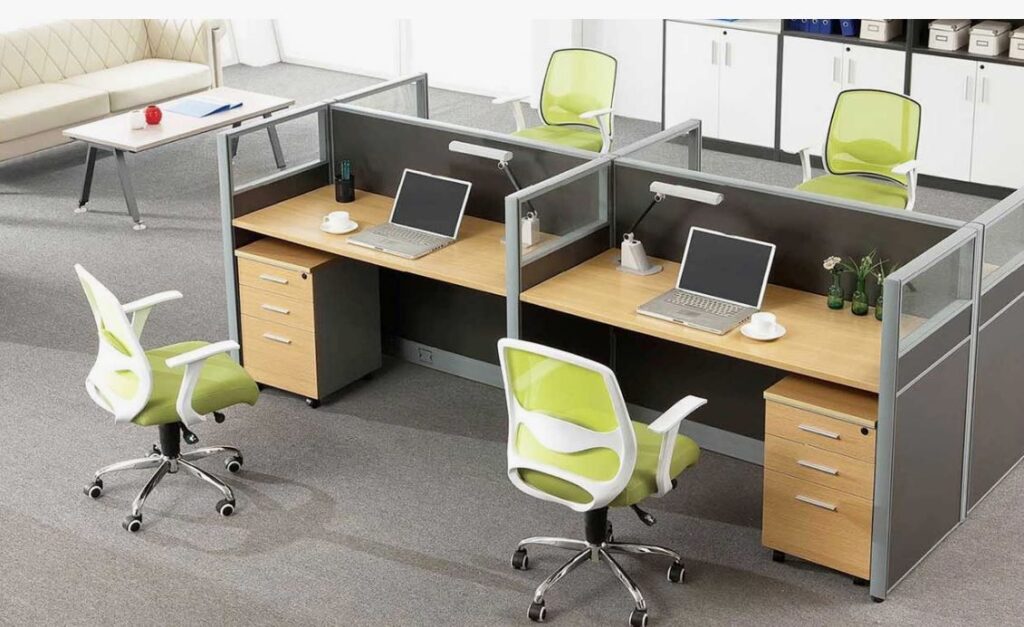
Choosing the right furniture supplier is an important step when setting up a new office, renovating a commercial space, or furnishing a large corporate facility. Businesses need furniture that combines comfort, durability, functionality, and professional design. A reliable Furniture Project Supplier can help simplify the entire process by providing suitable furniture solutions, coordinating orders, supporting space planning, and helping businesses stay within their project budgets.
In the Philippines, companies in Manila and Quezon City have different furniture requirements depending on their office size, industry, employee count, and interior design goals. Startups may need affordable workstations, while established corporations may require executive desks, ergonomic chairs, conference tables, reception counters, and complete office furniture packages. Working with a supplier that understands these requirements can make furniture procurement more organized and efficient.
Why Choosing the Right Furniture Project Supplier Matters
Office furniture is more than a collection of desks and chairs. It affects employee productivity, workplace comfort, space utilization, and the overall impression a business makes on clients and visitors. Selecting an experienced supplier helps businesses make informed purchasing decisions and avoid common problems during office setup.
A dependable supplier can assist with furniture selection based on the available floor area, workplace activities, storage needs, and preferred design style. This approach helps create a consistent office environment without purchasing unnecessary items.
For businesses managing large projects, coordinating multiple furniture orders can be challenging. A project-focused supplier can help organize product specifications, quantities, delivery schedules, and installation requirements. Clear communication throughout the process also helps reduce misunderstandings and delays.
Businesses should evaluate suppliers based on product quality, customization options, pricing transparency, delivery arrangements, installation capabilities, and after-sales support. These factors are particularly important for companies furnishing multiple departments, branch offices, educational facilities, or commercial buildings.
Office Furniture Solutions for Different Business Requirements
Every workplace has unique furniture requirements. The best furniture selection depends on how employees work, how customers interact with the business, and how the available space will be used.
Office Workstations and Desks
Workstations are essential for businesses with multiple employees working in shared office environments. Properly designed workstations provide enough space for computers, documents, accessories, and everyday office activities.
Companies can choose individual desks, modular workstations, benching systems, or partitioned cubicles. Modular designs are especially useful for growing businesses because they can be rearranged when teams expand or office layouts change.
Office desks should provide practical working surfaces, stable construction, and suitable cable management. Businesses should also consider desk height, legroom, storage options, and compatibility with ergonomic chairs.
Executive Tables and Office Desks
Executive desks contribute to the appearance and functionality of private offices, management rooms, and leadership spaces. They often feature larger work surfaces, integrated storage, and finishes that complement the office interior.
When selecting executive furniture, businesses should consider the room dimensions, storage requirements, visitor seating, and overall design theme. A well-planned executive office can support daily administrative tasks while maintaining a professional appearance.
Conference and Meeting Tables
Meeting rooms support presentations, team discussions, client consultations, and business planning. The right conference table should accommodate the expected number of participants without restricting movement.
Businesses should assess room capacity, chair spacing, electrical access, and the placement of presentation equipment before choosing a table. Rectangular, oval, and modular conference tables can suit different room configurations.
Ergonomic Office Chairs
Furniture Project Supplier play an important role in employee comfort during long working hours. Adjustable seat height, supportive backrests, suitable armrests, and appropriate cushioning are useful features to evaluate.
For organizations purchasing chairs in large quantities, consistency in quality and adjustability can help create a more comfortable working environment across departments.
Storage Cabinets and Pedestal Units
Organized storage helps employees manage documents, stationery, office equipment, and personal belongings. Filing cabinets, mobile pedestals, shelves, and lockable storage units can reduce clutter and improve workspace efficiency.
Businesses should determine whether they need open shelving, secure document storage, mobile units, or centralized filing systems. Selecting storage furniture according to actual usage prevents wasted floor space.
How to Select a Furniture Project Supplier in Manila and Quezon City
Manila and Quezon City are important commercial locations with businesses operating across offices, retail establishments, educational institutions, healthcare facilities, and professional service sectors. Choosing a supplier for a local project requires more than comparing product prices.
Evaluate Product Quality and Durability
Office furniture experiences regular use, so materials and construction should match the intended application. Buyers should ask about tabletop materials, frame construction, hardware quality, upholstery, finishes, and available product warranties.
For high-use environments, durability may be more important than choosing the lowest-priced option. A desk that remains stable and functional for years may offer better value than a cheaper product that requires frequent repairs or replacement.
Review Customization Options
Some offices have unusual floor plans, limited space, or specific branding requirements. Standard furniture may not meet every project need.
A capable supplier may offer customized dimensions, coordinated finishes, modular configurations, or furniture designed around particular operational requirements. Before approving customized products, confirm the specifications, production timeline, material details, and final cost.
Compare Quotations Carefully
A furniture quotation should clearly identify the products being supplied, dimensions, materials, quantities, unit prices, delivery charges, installation fees, and applicable taxes.
Comparing quotations on the same specifications makes it easier to understand the actual value of each offer. Businesses should also confirm payment terms, order changes, replacement policies, and the process for addressing damaged or missing items.
Confirm Delivery and Installation Arrangements
Large furniture projects require careful coordination. Deliveries may need to follow building access rules, elevator schedules, security procedures, or restrictions on working hours.
Before placing an order, discuss the expected delivery schedule, installation responsibilities, site readiness, and the process for handling unexpected delays. For projects involving multiple floors or departments, a phased delivery plan may help minimize disruption.
Assess Communication and After-Sales Support
Clear communication is essential from the initial consultation to the final installation. Businesses should know who will handle questions, confirm specifications, communicate schedule changes, and address issues after delivery.
A supplier that documents project requirements and provides clear updates can make procurement easier for office managers, architects, interior designers, and purchasing teams.
Planning an Office Furniture Project from Start to Finish
Successful furniture procurement begins with a clear plan. Businesses that establish their requirements before requesting quotations can make better decisions and reduce unnecessary expenses.
Step 1: Define Your Project Requirements
Start by identifying the purpose of the space, the number of employees, the departments involved, and the furniture needed for daily operations.
Prepare a preliminary list of desks, chairs, conference tables, cabinets, reception furniture, and other required items. Include any special requirements for executives, visitors, collaborative teams, or private work areas.
Step 2: Measure the Available Space
Accurate measurements help prevent furniture from overcrowding the office. Record room dimensions, doorways, windows, columns, power outlets, and other fixed features.
Consider walkways, chair movement, accessibility, and emergency exits when arranging furniture. A layout that looks attractive on paper must also work comfortably in everyday use.
Step 3: Establish a Realistic Budget
Create a budget that covers more than the furniture purchase price. Depending on the project, additional costs may include customization, transportation, installation, assembly, and future maintenance.
Prioritize essential items first. Businesses can then allocate the remaining budget to upgrades, additional storage, or design features that improve the workplace experience.
Step 4: Request Detailed Quotations
Provide potential suppliers with the same project brief, measurements, quantities, preferred materials, and delivery expectations. This helps ensure that quotations are comparable.
Ask suppliers to identify any exclusions, optional upgrades, or additional charges. Written quotations provide a useful reference when reviewing proposals and approving purchases.
Step 5: Approve Samples and Specifications
For larger projects, review product samples, material finishes, drawings, or mock-ups when available. Confirm colors, dimensions, hardware, and configuration before production or final order approval.
This step is particularly valuable when furniture must match an existing interior design or maintain consistency across several office locations.
Step 6: Coordinate Delivery and Installation
Prepare the site before furniture arrives. Confirm that flooring, electrical work, painting, and other necessary activities are sufficiently complete.
Establish an installation schedule that accommodates employees, building management, and other contractors. After installation, inspect the furniture for damage, missing components, and differences from the approved specifications.
Furniture Project Supplier Services for Different Industries
Different organizations require different approaches to furniture planning. A supplier should understand the practical demands of the environment rather than recommend the same furniture package to every customer.
Corporate offices: Corporate environments often require workstations, executive desks, meeting tables, ergonomic seating, reception furniture, and storage systems that maintain a consistent professional appearance.
Startups and small businesses: Growing companies may benefit from modular furniture, flexible desks, practical storage, and scalable layouts that accommodate future hiring without requiring a complete redesign.
Schools and training centers: Educational institutions need furniture suited to classrooms, administrative offices, libraries, staff rooms, and computer laboratories. Durability, easy maintenance, and appropriate dimensions are important considerations.
Hospitals and healthcare facilities: Administrative areas, staff offices, and consultation spaces may require furniture that supports efficient workflows and straightforward cleaning. Product specifications should match the requirements of the particular healthcare environment.
Government offices: Public-sector furniture projects may involve formal procurement procedures, detailed specifications, documentation, and approval requirements. Suppliers should be prepared to provide the information required by the purchasing organization.
Architects and interior designers: Design professionals often need coordinated furniture collections, accurate dimensions, material information, customization options, and dependable project communication to achieve their design objectives.
Common Mistakes to Avoid When Buying Office Furniture
Even well-planned projects can experience problems when purchasing decisions focus on price or appearance alone.
One common mistake is choosing furniture without measuring the office properly. Oversized desks and cabinets can restrict movement, while insufficient storage can create clutter shortly after employees move in.
Another mistake is ignoring the intended usage of each product. Furniture for a busy shared workspace may need different construction and maintenance characteristics than furniture for a private executive office.
Businesses should also avoid approving vague quotations. Missing information about materials, dimensions, delivery charges, or installation responsibilities can create unexpected expenses later.
Failing to plan delivery is another potential issue. Furniture may arrive before the site is ready, or installation may conflict with building restrictions and ongoing office activities.
Finally, companies should not overlook after-sales support. Before ordering, confirm how warranty claims, product defects, replacement components, and other service concerns will be handled.
How to Measure the Value of a Furniture Project
The success of an office furniture project should not be measured by purchase price alone. Businesses should consider the furniture’s expected lifespan, maintenance needs, usability, and suitability for the workplace.
A practical way to evaluate value is to compare the total initial cost with the expected period of use. For example, a desk that costs more initially may offer better long-term value if it remains stable, requires less maintenance, and meets the business’s needs for longer.
Workplace functionality also matters. Furniture that supports organized workflows, comfortable seating, and effective use of space can contribute to a better daily working environment.
For larger organizations, consistency across departments can simplify maintenance, replacement purchasing, and future expansion. Keeping product specifications and order records also helps businesses plan subsequent furniture purchases more efficiently.
Why Businesses Should Consider Modern Office Table Designs
Selecting a furniture partner is easier when the supplier understands the relationship between practical requirements and office design. Modern Office Table Designs can be positioned around the needs of businesses seeking functional furniture solutions for professional workspaces.
When evaluating furniture options, buyers should focus on suitable dimensions, durable materials, coordinated finishes, storage functionality, and layouts that support their teams. These considerations help businesses make purchasing decisions based on their actual operational needs.
Organizations planning a new office, renovation, or multi-department furniture installation should prepare a clear list of requirements before requesting a quotation. Sharing floor measurements, furniture quantities, preferred styles, budget expectations, and delivery deadlines can help establish a more productive discussion with a supplier.
The most suitable solution is one that balances cost, quality, functionality, and project requirements. Businesses should review specifications carefully and confirm all important commercial and installation details before approving an order.
Frequently Asked Questions
What Does a Furniture Project Supplier Do?
A furniture project supplier helps businesses source furniture for office setups, renovations, and large commercial projects. Services may include product selection, customization, quotations, delivery coordination, and installation.
How Do I Choose a Furniture Project Supplier in Manila?
Compare product quality, pricing, customization options, delivery arrangements, installation services, warranties, and communication. Request a detailed quotation based on your office measurements and furniture requirements.
Can a Furniture Supplier Handle Large Office Projects?
Some suppliers support large projects involving multiple departments, workstations, meeting rooms, and storage systems. Confirm their supply capacity, project coordination process, delivery schedule, and installation capabilities before proceeding.
What Furniture Should I Include in a New Office?
Common requirements include office desks, ergonomic chairs, workstations, conference tables, storage cabinets, reception furniture, and executive desks. The final selection should reflect your floor plan, employee count, work activities, and budget.
Is Customized Office Furniture Worth the Investment?
Customized furniture can be useful when standard products do not fit the available space or specific operational requirements. Compare customization costs, material quality, production timelines, and long-term usability before making a decision.
How Can I Reduce Office Furniture Project Costs?
Create a furniture inventory, establish a budget, compare detailed quotations, select durable materials, and prioritize essential items. Standardized or modular furniture may also help simplify future expansion and replacement.
What Should an Office Furniture Quotation Include?
A detailed quotation should identify product specifications, dimensions, materials, quantities, prices, delivery fees, installation costs, applicable taxes, payment terms, and warranty conditions.
How Early Should I Plan an Office Furniture Project?
Begin planning as early as possible, particularly when the project involves customized furniture, multiple departments, or a fixed office opening date. Allow time for measurements, quotations, approvals, production, delivery, and installation.
Conclusion
Choosing the right Furniture Project Supplier can help businesses create workspaces that are functional, comfortable, professional, and suitable for long-term use. From selecting office workstations and ergonomic chairs to coordinating delivery and installation, careful planning helps reduce procurement challenges and improve the overall project experience.
Businesses in Manila and Quezon City should assess suppliers based on product quality, transparent quotations, customization capabilities, project coordination, and after-sales support. By defining requirements and comparing suitable solutions, organizations can make informed decisions that balance budget, design, and workplace performance.
Modern Office Table Designs can be presented as a furniture solution for businesses planning new office setups, workplace renovations, or larger furniture requirements. Before requesting a quotation, prepare your furniture list, floor measurements, preferred designs, quantities, and target completion date. These details can help start a more productive conversation and support a furniture plan aligned with your business needs.