
Office Room Furniture for Efficient Office Space Planning
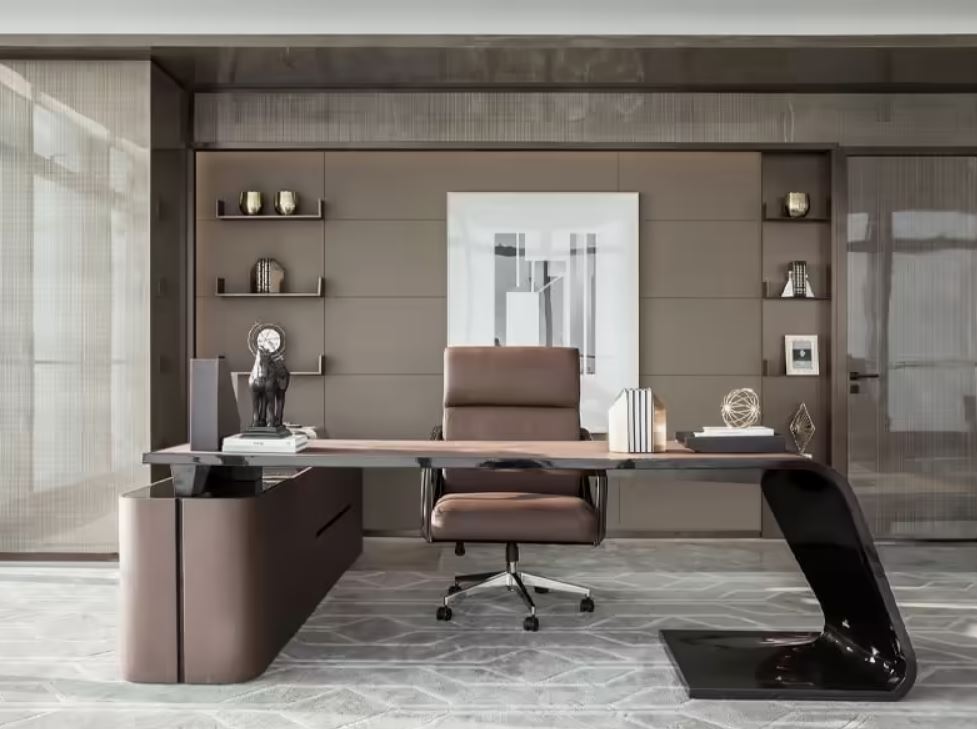
A well-planned office creates a positive impression, supports employee comfort, and helps businesses operate more efficiently. From small startup offices to large corporate workplaces, choosing the right furniture can make a significant difference in how a space looks and functions. The right Office Room Furniture combines comfort, durability, storage, and attractive design to create an organized environment where employees can focus on their work and visitors feel welcome.
In the Philippines, businesses in Manila and Quezon City have different workspace requirements depending on their office size, industry, budget, and number of employees. Some need compact furniture for limited spaces, while others require complete office setups with executive desks, ergonomic chairs, meeting tables, filing cabinets, and reception furniture. Understanding these needs makes it easier to select furniture that offers long-term value without compromising on style or functionality.
Why Office Room Furniture Matters for Modern Workplaces
Office furniture is more than a collection of desks and chairs. It influences workplace productivity, employee satisfaction, space utilization, and the overall appearance of a business. An organized office helps employees find essential documents, maintain focus, and complete daily tasks more comfortably.
For example, a company with an open-plan office may benefit from modular workstations that provide individual work areas without making the room feel crowded. A private executive office may require a spacious desk, a comfortable chair, and storage cabinets for documents. Meanwhile, a small consulting firm might prioritize a compact desk, visitor seating, and a practical meeting area.
The key is to choose furniture based on how each room will be used. When businesses plan their furniture requirements carefully, they can avoid unnecessary purchases and create a professional environment that supports daily operations.
Types of Office Room Furniture for Different Business Needs
Every office has different functional requirements. Selecting the right furniture for each area helps create a consistent and efficient workplace.
Executive Desks and Office Tables
Executive desks are suitable for managers, business owners, and professionals who need a dedicated workspace. They often provide generous surface areas for computers, paperwork, and office accessories. Some designs also include drawers, cable management features, and storage compartments.
Office Room Furniture are available in different sizes, materials, and finishes. Businesses with limited floor space can consider compact rectangular tables, while larger offices may benefit from L-shaped desks that provide additional working areas.
When choosing a desk, consider its dimensions, height, storage capacity, and compatibility with other furniture. A well-sized desk should allow employees to work comfortably without restricting movement around the room.
Ergonomic Office Chairs
Office chairs play an important role in everyday comfort, particularly for employees who spend several hours working at a computer. An adjustable chair with suitable lumbar support, seat-height adjustment, and a comfortable seat can help employees maintain a more natural sitting position.
Different roles may require different seating options. Managers may prefer executive chairs, while employees in shared workstations may benefit from adjustable task chairs. Visitor chairs are useful for reception areas, consultation rooms, and meeting spaces.
Before purchasing chairs, evaluate adjustability, materials, stability, and ease of maintenance. The best choice is one that suits the user’s body, work habits, and workspace requirements.
Office Cabinets and Storage Solutions
Storage furniture helps maintain an organized and professional office. Filing cabinets, shelving units, mobile pedestals, and lockable cupboards provide designated places for documents, supplies, and equipment.
Businesses that handle confidential records should consider lockable storage. Companies with limited floor space can use vertical cabinets to maximize storage without occupying too much room.
Proper storage planning also reduces clutter. Keeping frequently used items accessible while storing less frequently needed materials elsewhere makes everyday tasks more convenient.
Conference and Meeting Tables
Meeting rooms support discussions, presentations, interviews, and client consultations. The table should match the number of people who regularly use the room while leaving enough space for chairs and movement.
Small businesses may prefer compact meeting tables, while larger organizations might require longer conference tables with cable access for laptops and presentation equipment.
A practical meeting room should also include comfortable seating, suitable lighting, and enough space for participants to communicate easily. Choosing coordinated furniture creates a professional setting for employees, clients, and business partners.
Reception Desks and Waiting Area Furniture
The reception area often creates the first impression of a company. A well-designed reception desk, comfortable visitor chairs, and organized storage can make the space feel welcoming and professional.
Furniture should reflect the business’s identity while meeting practical requirements. For example, a healthcare office may prioritize easy-to-clean surfaces and accessible seating, while a corporate headquarters may prefer a refined reception desk with a clean, contemporary finish.
Reception furniture should also allow staff to communicate with visitors comfortably and manage documents or equipment without unnecessary clutter.
How to Choose the Right Office Room Furniture
Selecting furniture becomes easier when businesses follow a clear purchasing process. Instead of focusing only on appearance or price, evaluate the furniture against the actual requirements of the workplace.
Assess Your Office Space
Start by measuring the room, including its length, width, doorways, windows, and fixed installations. Identify where desks, chairs, storage units, and walkways will be positioned.
A floor plan can help determine whether the selected furniture will fit comfortably. It also helps prevent problems such as blocked doors, restricted movement, and overcrowded workstations.
For small offices in Manila and Quezon City, compact desks, mobile storage, and multi-purpose tables can help make better use of available space.
Define Your Budget
Establish a realistic budget before comparing furniture options. Include the cost of desks, chairs, storage, delivery, assembly, and any additional installation requirements.
A lower purchase price does not always mean better value. Furniture that requires frequent repairs or replacement may cost more over time. Compare durability, warranty coverage, materials, and maintenance requirements before making a final decision.
Businesses furnishing multiple rooms should prioritize essential items first and plan additional purchases according to operational needs.
Prioritize Comfort and Ergonomics
Employee comfort should be an important consideration when selecting office furniture. Desk height, chair adjustability, monitor positioning, and available legroom can all affect the usability of a workstation.
Whenever possible, test chairs and desks before purchasing them. Check whether employees can adjust their seating positions and arrange their equipment without unnecessary strain.
A comfortable workspace should also provide adequate lighting, sufficient circulation space, and an appropriate arrangement of frequently used equipment.
Compare Materials and Durability
Office furniture is available in materials such as engineered wood, solid wood, metal, laminate, and combinations of these materials. Each option has different characteristics.
- Engineered wood: Often provides an affordable option for desks, cabinets, and workstations.
- Solid wood: Offers a distinctive appearance but may require more maintenance and a higher budget.
- Metal: Commonly used for frames, supports, and storage products that require structural strength.
- Laminate finishes: Provide a range of colors and patterns and are often practical for everyday office use.
Consider the furniture’s construction, edge finishing, hardware, weight capacity, and resistance to routine wear. In the Philippines, where humidity can be a concern, ask suppliers about moisture resistance and the recommended care requirements for each material.
Office Room Furniture Trends for Modern Philippine Offices
Workplace design continues to adapt to changing business needs. Modern offices increasingly require furniture that supports flexible work arrangements, efficient collaboration, and practical use of space.
Flexible and Modular Workstations
Modular furniture allows businesses to adjust their office layouts as teams grow or responsibilities change. Individual workstation components can be rearranged to support collaborative projects or provide more private working areas.
This flexibility can be particularly useful for startups and expanding companies that expect their staffing needs to change.
Minimalist Furniture Designs
Minimalist furniture uses clean lines, practical shapes, and coordinated finishes. These designs can make an office look organized without adding unnecessary visual clutter.
Neutral colors, simple desks, and streamlined storage units can work well in corporate offices, professional service firms, and home offices.
Space-Saving Furniture
Compact desks, mobile pedestals, vertical storage, and multi-purpose tables are useful for offices where floor space is limited. These products can help businesses maintain functionality without overcrowding the room.
The goal is not simply to fit more furniture into a space. It is to create an arrangement that allows employees to move comfortably and use their work areas efficiently.
Furniture That Supports Hybrid Work
Some businesses need workstations that accommodate employees who alternate between office and remote work. Shared desks, movable storage, and flexible meeting tables can support these arrangements.
Before investing in shared furniture, consider how employees will access equipment, store personal belongings, and maintain a consistent working environment.
Common Mistakes to Avoid When Buying Office Furniture
Even attractive furniture can become a poor investment when it does not meet the needs of the workplace. Avoiding common purchasing mistakes can help businesses save money and improve office functionality.
Choosing furniture without measuring the room: Always confirm dimensions before placing an order. Include clearance for chairs, doors, drawers, and walkways.
Focusing only on appearance: Design matters, but furniture must also provide suitable comfort, durability, and storage.
Ignoring employee requirements: Ask employees about their daily tasks and equipment needs before selecting desks and chairs.
Buying too much furniture: Filling every available corner can make an office feel cramped. Start with essential pieces and maintain enough open space for movement.
Overlooking maintenance: Consider cleaning requirements, replacement parts, warranty terms, and the expected lifespan of the furniture.
Using inconsistent designs: Different furniture styles can make an office look disorganized. Choose complementary finishes and practical designs that create a consistent appearance throughout the workplace.
Office Room Furniture for Manila and Quezon City Businesses
Businesses in Manila and Quezon City can benefit from selecting furniture that suits their available space, workforce, and operational requirements. Corporate offices may need complete workstation systems, while startups may prefer flexible furniture that can accommodate future growth.
Schools and training centers often require desks, chairs, storage cabinets, and tables that can withstand frequent use. Hospitals and healthcare facilities may need practical furniture with easy-to-clean surfaces and layouts that support staff workflows. Government offices and procurement teams may place additional emphasis on specifications, durability, documentation, and purchasing requirements.
When comparing suppliers, request detailed product specifications, dimensions, material information, warranty terms, and delivery estimates. For larger orders, ask whether the supplier can support coordinated furniture selection for multiple rooms or departments.
It is also helpful to prepare a furniture list before requesting a quotation. Include quantities, preferred dimensions, intended use, material preferences, and any special requirements. This allows suppliers to provide more relevant recommendations and helps businesses compare proposals accurately.
How to Maintain Office Furniture for Long-Term Value
Regular maintenance can help extend the useful life of office furniture. Follow the manufacturer’s cleaning instructions and use products suitable for the material.
Clean desks and frequently touched surfaces regularly. Avoid excessive moisture on wood-based furniture, inspect screws and fittings periodically, and address loose hardware before it causes further damage. Office chairs should also be checked for worn components, damaged wheels, and adjustment problems.
Position furniture away from direct sources of heat or moisture where practical. Use suitable protective pads when moving heavy items, and avoid placing loads beyond the furniture’s recommended capacity.
A simple maintenance schedule helps businesses identify problems early and reduce avoidable replacement costs. It also keeps the workplace looking professional for employees and visitors.
Why a Well-Planned Furniture Investment Benefits Your Business
The right furniture supports more than the visual appearance of an office. It can improve organization, make better use of available space, support employee comfort, and create a more professional environment for clients.
Businesses should evaluate furniture based on its suitability for daily tasks, durability, maintenance requirements, and overall value. A balanced approach helps avoid unnecessary spending while ensuring that essential work areas remain functional.
Modern Office Table Designs can be included in the planning process when exploring furniture styles and practical ideas for professional workspaces. By considering room dimensions, employee needs, storage requirements, and long-term business goals, companies can make more informed furniture decisions.
Frequently Asked Questions About Office Room Furniture
What furniture is essential for an office room?
Essential office furniture typically includes a desk or worktable, an ergonomic chair, suitable storage, and adequate lighting. Meeting rooms and reception areas may require additional tables and visitor seating.
How do I choose furniture for a small office?
Measure the available space and prioritize compact desks, adjustable chairs, vertical storage, and multi-purpose furniture. Keep walkways clear to maintain comfort and accessibility.
Which materials are suitable for office furniture?
Engineered wood, laminate, solid wood, and metal are common options. The right material depends on the budget, intended use, durability requirements, appearance, and maintenance needs.
What should businesses consider before buying office furniture in Manila?
Businesses should assess room dimensions, employee requirements, furniture quality, delivery arrangements, warranty coverage, and total costs. Comparing product specifications helps identify suitable options.
How can office furniture improve productivity?
Well-planned furniture supports comfortable working positions, organized storage, efficient movement, and better use of space. These factors can make everyday tasks easier to manage.
How often should office furniture be replaced?
There is no single replacement schedule for every office. Furniture should be evaluated based on its condition, safety, comfort, repair needs, and suitability for current business requirements.
Conclusion
Choosing the right office furniture requires a balance of comfort, functionality, durability, and design. From executive desks and ergonomic chairs to storage cabinets and meeting tables, every piece should serve a clear purpose within the workplace.
Businesses in Manila and Quezon City can make better purchasing decisions by measuring their spaces, comparing materials, setting realistic budgets, and considering employee needs. Regular maintenance and thoughtful planning also help protect the investment over time.
With a practical approach to Office Room Furniture, organizations can create professional, organized, and adaptable workspaces that support their daily operations. By exploring suitable designs and planning around long-term requirements, businesses can build offices that work well for employees, welcome visitors, and remain ready for future growth.