
Office Furniture for Companies in Metro Manila Offices
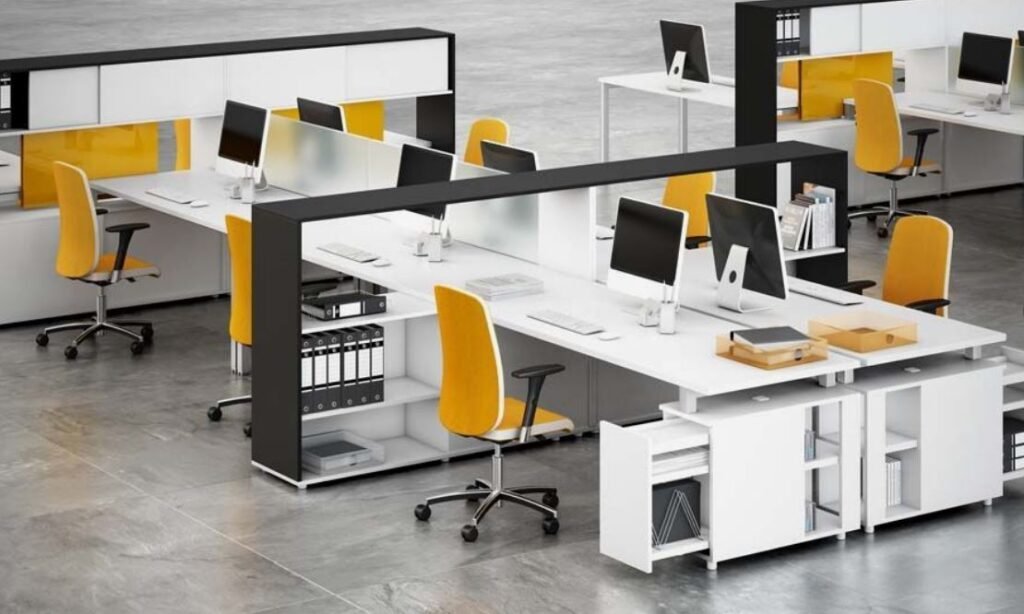
A well-designed workplace plays an important role in employee productivity, comfort, and business performance. From small startups to established corporate offices, choosing the right furniture helps create an organized environment where employees can work efficiently. Investing in quality Office Furniture for Companies is not simply about filling an office with desks and chairs. It is about building a functional workspace that supports daily operations, reflects company values, and provides long-term comfort. Businesses in Manila and Quezon City, Philippines, increasingly need office furniture solutions that balance functionality, durability, professional appearance, and available workspace.
Modern businesses have different workplace requirements depending on their industry, workforce size, office layout, and operational needs. A corporate headquarters may require executive desks, conference tables, and collaborative workstations, while a startup may prioritize compact desks and flexible seating. Understanding these requirements makes furniture selection easier and helps businesses create workspaces that support both employees and organizational goals.
Why Office Furniture Matters for Business Success
Office furniture directly influences how employees interact with their work environment. Comfortable chairs, properly designed desks, and organized storage solutions can make everyday tasks more convenient. When employees have suitable furniture, they can maintain better working positions, organize their documents, and focus on their responsibilities.
A professional office environment also creates a positive impression on visitors, clients, and business partners. Reception furniture, meeting tables, and executive office setups communicate attention to detail and professionalism. These elements contribute to the overall identity of a company.
Businesses should consider furniture an important part of their workplace investment. Rather than choosing products based only on appearance or initial price, companies should evaluate durability, usability, maintenance requirements, and long-term value.
Different Types of Office Furniture for Companies
Every office requires a combination of furniture that supports different activities. Selecting the right products helps businesses use available space effectively while maintaining a consistent workplace design.
Office Desks and Workstations
Office desks are among the most important pieces of workplace furniture. Employees use them for computer work, documentation, communication, and other daily responsibilities. A suitable desk should provide enough working space for monitors, keyboards, office accessories, and important documents.
Workstations are particularly useful for companies with multiple employees working in shared environments. They help organize individual work areas while maintaining a consistent office layout.
Businesses can consider several options:
- Individual office desks for private work areas.
- Modular workstations for open-plan offices.
- Executive desks for management offices.
- Computer tables for technology-focused work.
- Collaborative desks for team-based activities.
The right workstation depends on employee responsibilities and the available floor space.
Ergonomic Office Chairs
Employees spend a considerable part of their working day sitting, making chair selection an important consideration. An ergonomic office chair should provide suitable back support, adjustable seating height, and comfortable cushioning.
When comparing office chairs, companies should consider:
- Adjustable seat height.
- Support for the lower back.
- Comfortable seat dimensions.
- Suitable armrests.
- Stable bases and smooth movement.
- Materials that are easy to maintain.
Providing appropriate seating can support workplace comfort and encourage better sitting habits.
Conference and Meeting Tables
Meeting rooms are important spaces for discussions, presentations, planning sessions, and client consultations. Conference tables should accommodate the expected number of participants without making the room feel crowded.
Rectangular Office Furniture for Companies are suitable for traditional meeting rooms, while round tables can encourage more open discussions. Larger companies may benefit from modular conference tables that can be rearranged for different activities.
Executive Office Furniture
Executive offices often require furniture that combines professional appearance with practical functionality. Executive desks, comfortable chairs, storage cabinets, and meeting tables help create an organized management workspace.
The furniture should complement the company’s interior design while providing enough space for documents, computers, and business meetings.
Office Storage and Filing Cabinets
Proper storage helps businesses maintain organized workspaces. Filing cabinets, mobile pedestals, shelves, and storage cupboards provide designated spaces for documents, stationery, office supplies, and equipment.
Companies handling confidential paperwork should also consider secure storage options. An organized storage system can reduce unnecessary clutter and make important materials easier to access.
How to Choose the Right Furniture for Your Company
Choosing workplace furniture requires more planning than simply selecting attractive products. Businesses should evaluate their operational requirements and consider how each furniture item will be used.
Understand Your Office Requirements
Start by identifying the number of employees, departments, work activities, and available floor space. A company with a large administrative team may need multiple workstations, while a management office may require private desks and meeting areas.
Create a basic furniture requirement list before purchasing. This makes it easier to compare products and avoid unnecessary expenses.
Measure the Available Space
Office dimensions influence furniture selection. Oversized desks can restrict movement, while poorly arranged workstations can make an office uncomfortable.
Measure the room carefully and consider:
- Desk and workstation dimensions.
- Walking and movement areas.
- Doorways and entry points.
- Storage requirements.
- Meeting and collaboration spaces.
- Electrical outlets and equipment placement.
A well-planned layout allows employees to move comfortably and use the office efficiently.
Prioritize Durability and Material Quality
Office furniture is used regularly, so material quality should be an important purchasing consideration. Desks, chairs, cabinets, and workstations should be suitable for their intended usage.
Common materials include engineered wood, laminate finishes, metal frames, and different upholstery fabrics. Each material has different maintenance and durability characteristics.
Businesses should compare construction quality, surface finishes, hardware, and product specifications before making a decision.
Consider Employee Comfort
Employee comfort should remain a priority when choosing furniture. Workstations should provide adequate space, and chairs should offer appropriate support.
Companies can also consider adjustable furniture where it suits their workplace requirements. These choices help create a more adaptable environment for employees with different working preferences.
Establish a Realistic Furniture Budget
Budget planning helps companies balance quality and affordability. Instead of focusing only on the cheapest available products, evaluate the expected lifespan and maintenance requirements.
For larger purchases, request quotations from suppliers and compare product specifications. A detailed quotation should clearly explain the furniture items, dimensions, materials, quantities, and applicable delivery or installation arrangements.
Office Furniture Solutions for Businesses in Manila and Quezon City
Manila and Quezon City have diverse business environments, including corporate offices, startups, educational institutions, healthcare facilities, and government organizations. Each business type has different furniture requirements.
Companies operating in commercial buildings may need space-efficient workstations that accommodate several employees. Startups may prefer flexible furniture that can support future expansion. Educational institutions may require durable desks, chairs, and administrative furniture, while healthcare offices may need practical reception counters and organized storage.
When selecting furniture in Metro Manila, businesses should consider available office space, delivery arrangements, building access, and installation requirements.
Working with a supplier that understands commercial furniture requirements can make the purchasing process more organized. Companies should discuss their office dimensions, preferred designs, quantities, and operational needs before finalizing an order.
Modern Office Design Trends for Growing Companies
Workplace design continues to evolve as businesses adopt flexible working arrangements and collaborative office environments. Modern furniture solutions focus on functionality, employee comfort, and efficient use of space.
Open-Plan Workstations
Open-plan offices allow businesses to organize multiple work areas within a shared environment. Modular workstations can help define individual spaces while supporting communication between team members.
However, companies should also consider privacy and noise management when planning open layouts.
Minimalist Office Furniture
Minimalist furniture uses clean lines, practical designs, and simple finishes. It can help create an uncluttered environment that feels professional and organized.
Neutral colors, functional desks, and streamlined storage units are common choices for modern offices.
Flexible and Modular Furniture
Growing companies often need furniture that can adapt to changing team sizes. Modular desks and movable storage units provide flexibility when departments expand or office layouts change.
This approach can help businesses avoid replacing entire furniture arrangements whenever their requirements change.
Collaborative Office Spaces
Modern workplaces often include dedicated areas for brainstorming, teamwork, and informal discussions. Shared tables, comfortable seating, and practical meeting furniture can support these activities.
Businesses should balance collaborative spaces with quieter areas where employees can concentrate on individual tasks.
Common Mistakes Companies Should Avoid When Buying Office Furniture
Furniture purchasing decisions can affect workplace efficiency for years. Avoiding common mistakes helps businesses make more informed investments.
Ignoring measurements: Buying furniture without checking room dimensions can create overcrowded layouts and restrict movement.
Choosing appearance over functionality: Attractive furniture may not provide the storage, comfort, or working space employees need.
Overlooking employee requirements: Different departments perform different tasks, so one furniture design may not suit every employee.
Ignoring material quality: Low-quality materials and hardware may require frequent repairs or replacement.
Not planning for future growth: Businesses should consider whether their furniture arrangement can accommodate additional employees.
Forgetting storage requirements: Insufficient storage can lead to cluttered desks and disorganized work areas.
Avoiding these issues makes it easier to develop a practical and professional office environment.
Why Businesses Should Work With an Experienced Office Furniture Supplier
Selecting a suitable supplier is an important part of the purchasing process. Businesses often need multiple furniture categories, consistent designs, suitable dimensions, and coordinated delivery.
An experienced supplier can help companies understand available options and compare products according to their requirements.
Before selecting a supplier, consider the following factors:
- Range of office desks, chairs, and workstations.
- Available materials, finishes, and designs.
- Product dimensions and specifications.
- Customization options, where available.
- Delivery and installation arrangements.
- Warranty and after-sales support.
- Ability to accommodate bulk furniture requirements.
Companies should request clear product information and quotations before confirming large orders. This helps procurement teams evaluate their options and make purchasing decisions with greater confidence.
Creating a Professional Workspace With Modern Office Table Designs
Choosing suitable furniture is an important step toward developing a workplace that supports business operations and employee comfort. Companies need furniture that fits their office dimensions, complements their interior design, and meets everyday operational requirements.
Modern Office Table Designs focuses on the importance of practical and professional office furniture choices for businesses. From office desks and executive tables to workstations and storage solutions, selecting suitable furniture can help organizations create more functional environments.
Businesses planning a new office setup or upgrading an existing workspace should consider their current requirements as well as future expansion. Comparing furniture dimensions, materials, comfort features, and overall value can make the process more effective.
Whether you are furnishing a startup office, expanding a corporate workspace, or upgrading a professional environment in Manila or Quezon City, careful planning can help you make better furniture decisions. Identify your priorities, explore suitable options, and request a detailed quotation based on your company’s needs.
Frequently Asked Questions About Office Furniture for Companies
What furniture does a company need for a new office?
Most companies need office desks, ergonomic chairs, workstations, meeting tables, storage cabinets, and reception furniture. The exact requirements depend on employee numbers and business operations.
How do companies choose the right office furniture?
Companies should evaluate available space, employee requirements, furniture dimensions, material quality, comfort, durability, and budget before purchasing.
Which office furniture is best for small businesses?
Compact desks, modular workstations, multifunctional storage units, and ergonomic chairs are practical options for small businesses with limited office space.
Why is ergonomic office furniture important?
Ergonomic furniture supports comfortable working positions and provides features such as adjustable seating and appropriate back support.
What should companies consider when buying office desks?
Businesses should check desk dimensions, surface material, storage options, construction quality, and compatibility with computers and other office equipment.
Is modular office furniture suitable for growing companies?
Yes. Modular furniture can be rearranged or expanded to accommodate changing employee numbers and workplace layouts.
Where can businesses find office furniture in Manila and Quezon City?
Businesses can explore office furniture suppliers serving Manila and Quezon City, compare product specifications, and request quotations based on their workspace requirements.
How can companies reduce office furniture expenses?
Companies can establish a furniture budget, prioritize essential items, compare supplier quotations, and select durable products that offer long-term value.
Conclusion
The right furniture can make a significant difference in how a company operates, how employees experience their workplace, and how clients perceive the business. Selecting suitable desks, chairs, workstations, meeting tables, and storage solutions helps create an organized and professional environment.
Businesses should prioritize functionality, comfort, durability, and efficient space utilization rather than focusing entirely on appearance or initial purchasing costs. With careful planning and informed purchasing decisions, organizations can build workspaces that support their current operations and future growth.
Modern Office Table Designs recognizes the value of thoughtful furniture selection in creating practical business environments. Whether you are establishing a new office or upgrading an existing one, choosing the right Office Furniture for Companies can be a valuable investment in your organization’s productivity and professional image.