2026 office furniture Quezon City modular storage systems
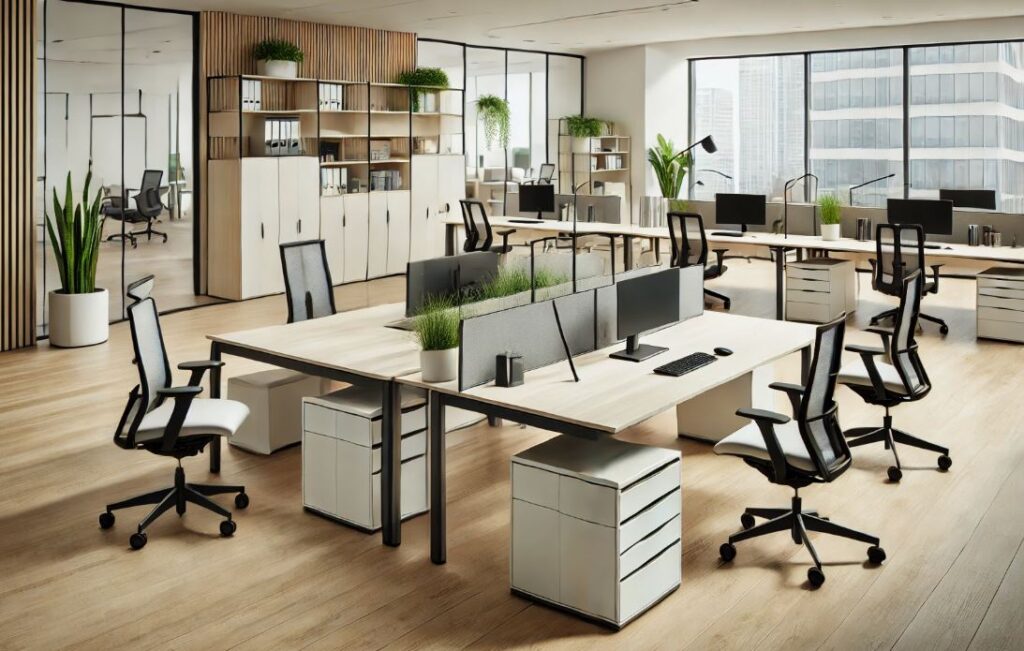
The demand for 2026 office furniture is rapidly increasing as businesses continue to reshape their work environments for flexibility, comfort, and long-term productivity. Modern workplaces are no longer limited to traditional desks and chairs; instead, companies are focusing on ergonomic design, space efficiency, and aesthetic appeal to support employee wellbeing and performance. In 2026, offices are expected to integrate more adaptive layouts, smart furniture solutions, and multi-functional workstations that can easily adjust to hybrid working models. Organizations are also prioritizing designs that improve collaboration while still maintaining individual focus spaces. This shift is strongly influencing how office furniture is selected, purchased, and arranged across different industries, especially in growing corporate sectors and startups where efficient use of space is essential. Businesses are now carefully evaluating office interiors not just for appearance but also for productivity impact, making furniture selection a strategic decision rather than just a design choice.
Ergonomic Design And Productivity Focus In Workspaces
One of the strongest trends in 2026 office furniture is the growing importance of ergonomic design that supports health and productivity at the same time. Companies are increasingly investing in chairs with adjustable lumbar support, height-adjustable desks, and accessories that reduce strain during long working hours. The idea is to create a workspace that naturally aligns with the human body, reducing fatigue and improving concentration.
In modern offices, standing desks and sit-stand workstations are becoming standard rather than optional features. Employers understand that employee comfort directly impacts performance, so they are choosing furniture that encourages movement and reduces sedentary behavior. Alongside ergonomics, there is also a strong emphasis on minimalistic layouts that reduce clutter and improve focus. Clean desk arrangements with properly designed cable management systems are helping employees maintain organized and distraction-free environments. These improvements are not just enhancing physical comfort but also contributing to better mental clarity and efficiency in daily tasks.
Smart Storage Solutions And Office Stores Accessibility
Storage solutions are also evolving significantly in 2026 office furniture, with businesses focusing on smarter, space-saving designs that help maintain organized workplaces. Instead of bulky cabinets, modern offices now prefer modular storage units, mobile pedestals, and multi-purpose shelving systems that can be easily adjusted according to office needs. These solutions allow companies to maximize available space while keeping important documents and supplies easily accessible. Many organizations are also sourcing furniture from specialized office stores that provide customized solutions tailored to different workspace requirements.
The availability of high-quality products through reliable stores has made it easier for businesses to find designs that match both functional and aesthetic needs. In addition, digital catalogs and online platforms have simplified the buying process, allowing companies to compare different styles, materials, and price ranges before making a final decision. This accessibility has played a major role in shaping modern office interiors, as businesses can now quickly adapt to new trends without long procurement delays. Efficient storage is no longer just about space-saving; it is also about improving workflow and reducing time spent searching for essential items.
Technology Integration In Modern Office Furniture
Technology integration has become a defining feature of 2026 office furniture, as workplaces increasingly rely on smart systems to improve efficiency and connectivity. Desks with built-in charging ports, wireless charging pads, and integrated cable management systems are becoming standard in modern office setups. Some advanced furniture designs now include digital controls that allow users to adjust desk height, lighting, and even posture reminders through connected applications. Meeting tables are also evolving with embedded screens and connectivity hubs that support seamless virtual collaboration.
As hybrid work continues to grow, this integration ensures that employees can transition smoothly between in-office and remote work environments. Smart furniture also contributes to energy efficiency by incorporating motion sensors that manage lighting and power usage based on occupancy. These innovations are transforming traditional office setups into intelligent work environments that support productivity, sustainability, and convenience at the same time. Businesses adopting these technologies are gaining a competitive advantage by creating workplaces that are not only functional but also future-ready.
Sustainable Materials And Long Term Investment Approach
Sustainability is another key factor influencing 2026 office furniture trends, as organizations become more environmentally conscious in their purchasing decisions. Companies are increasingly choosing furniture made from recycled materials, responsibly sourced wood, and eco-friendly manufacturing processes. This shift is driven by both environmental responsibility and long-term cost efficiency, as sustainable furniture tends to be more durable and requires less frequent replacement. Many businesses are also focusing on modular furniture systems that can be reconfigured rather than replaced, reducing waste and supporting circular design principles. Office interiors are now being designed with a long-term investment mindset, where durability, adaptability, and environmental impact are carefully considered before purchase. This approach not only supports corporate sustainability goals but also enhances brand reputation in competitive markets. As more companies adopt green policies, demand for sustainable office solutions continues to rise, making it a core element of modern workspace planning.
Buying Guide And Future Office Planning Considerations
When selecting 2026 office furniture, businesses must consider several important factors to ensure they create efficient and future-ready workspaces. The first consideration is functionality, as furniture should support daily tasks while improving comfort and workflow. The second is space utilization, where compact and modular designs help maximize office layout efficiency. Another important factor is durability, as high-quality materials ensure long-term usage without frequent replacements. Companies should also evaluate flexibility, especially in hybrid work environments where office needs can change frequently.
Choosing reliable office stores is essential in this process, as it ensures access to a wide range of quality products and customization options. Additionally, businesses should prioritize designs that align with their brand identity and workplace culture, as office interiors play a major role in shaping employee experience and client impressions. Planning ahead for future expansion and technological upgrades is also important, as modern office furniture should be adaptable to evolving workplace demands.
Conclusion
The evolution of 2026 office furniture reflects a major transformation in how workplaces are designed and experienced. From ergonomic improvements and smart technology integration to sustainable materials and efficient storage solutions, every aspect of modern office design is focused on enhancing productivity and long-term value. Businesses that invest in thoughtful workspace planning are better positioned to support employee wellbeing and operational efficiency. A strong example of this modern approach can be seen in solutions offered by Modern office table designs, which align with current workplace demands and future-ready office concepts while maintaining functionality and style.