Office Furniture Design Trends Philippines Quezon City Trend
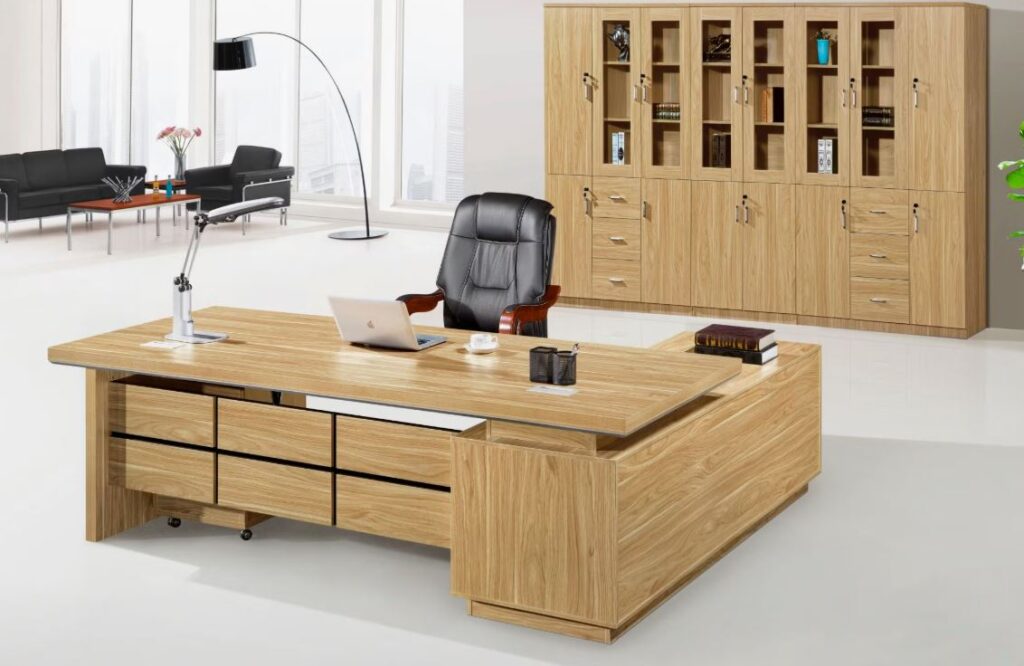
The concept of modern workplaces has changed rapidly, and office furniture design trends are now centered around flexibility, comfort, and productivity rather than just appearance. Businesses today focus on creating environments that support employee well-being while also improving efficiency and collaboration. As companies shift toward hybrid and agile working models, furniture design has become a key factor in shaping office culture. Contemporary offices are no longer static spaces filled with traditional desks and chairs; instead, they are dynamic environments where design adapts to user needs.
One of the strongest shifts in office furniture design trends is the move toward multifunctional furniture that serves multiple purposes. Desks with built-in storage, modular seating systems, and adjustable tables are increasingly common in modern offices. These solutions allow businesses to optimize space while maintaining a clean and organized look. In addition, open-plan layouts continue to dominate, encouraging communication and teamwork among employees while reducing the isolation often seen in traditional cubicle setups.
Ergonomic Layouts And Space Saving Office Furniture Trends
Ergonomics has become a major priority in office furniture design trends, as companies recognize the importance of employee health and comfort. Poor posture and uncomfortable seating can lead to long-term health issues and reduced productivity, which is why ergonomic chairs, adjustable desks, and posture-supporting accessories are now standard in many workplaces. These designs are carefully created to support the natural movement of the human body, helping reduce strain during long working hours.
Space-saving solutions are also becoming essential in urban offices where square footage is limited. Folding desks, wall-mounted storage units, and compact workstations allow businesses to maximize available space without compromising functionality. Many modern stores now offer customizable office furniture that fits specific room dimensions and workflow requirements. This trend is particularly beneficial for startups and small businesses that need efficient yet stylish office setups. The combination of ergonomic design and smart space utilization defines a large part of current office furniture design trends, making workplaces more practical and employee-friendly.
Sustainable Materials And Smart Office Furniture Innovations
Sustainability is playing a major role in shaping office furniture design trends, with companies increasingly choosing eco-friendly materials such as recycled wood, bamboo, and metal. This shift is driven by growing environmental awareness and the need to reduce carbon footprints in commercial spaces. Furniture manufacturers are also focusing on durability, ensuring that products last longer and reduce waste over time.
Alongside sustainability, smart technology is transforming office furniture into highly functional systems. Integrated charging ports, cable management systems, and height-adjustable desks with digital controls are becoming standard features. These innovations help improve workflow efficiency while reducing clutter in the workspace. Smart furniture not only enhances convenience but also aligns with the evolving expectations of modern professionals who rely heavily on digital tools. As a result, technology integration has become a defining element of office furniture design trends, shaping how future offices will operate.
Flexible Workstations And Collaborative Office Furniture Design Trends
Flexibility is another key aspect of office furniture design trends, especially in environments that prioritize teamwork and collaboration. Businesses are moving away from fixed seating arrangements and instead adopting modular systems that can be easily rearranged. This allows teams to adapt their workspace based on project needs, meeting requirements, or collaborative sessions.
Collaborative furniture such as shared tables, mobile seating units, and breakout zone setups encourages communication and creativity among employees. These designs are particularly popular in creative industries where brainstorming and teamwork are essential. The ability to quickly transform a workspace enhances productivity and keeps employees engaged. Many modern office layouts now include flexible zones that support both focused individual work and group activities, making adaptability a central feature of current office furniture design trends.
Storage Solutions And Functional Office Furniture In Modern Stores
Efficient storage is a critical part of maintaining an organized office environment, and it plays a major role in office furniture design trends. Modern workplaces require smart storage solutions that reduce clutter while keeping essential items easily accessible. Filing cabinets, mobile pedestals, shelving units, and concealed storage systems are widely used to maintain cleanliness and order in office spaces.
Today’s stores offer a wide variety of storage-focused furniture designed to match different office aesthetics and functional needs. From minimalist designs for modern corporate offices to more traditional wooden storage units, businesses can choose options that best fit their interior themes. The emphasis is on combining style with practicality, ensuring that storage furniture contributes to the overall workspace design rather than just serving a functional role. This balance between aesthetics and usability continues to shape office furniture design trends across industries.
Future Outlook Of Office Furniture Design Trends
The future of office furniture design trends is expected to focus even more on adaptability, technology integration, and employee wellness. As remote and hybrid work models continue to evolve, offices will need to become more flexible and responsive to changing demands. Furniture will likely become even more modular, allowing for easy reconfiguration of spaces based on daily requirements.
We can also expect increased use of artificial intelligence and smart systems in office furniture, helping optimize comfort, lighting, and workspace efficiency automatically. Sustainable innovation will continue to grow, with eco-friendly materials becoming the standard rather than the exception. The goal will be to create workplaces that are not only functional but also inspiring and environmentally responsible.
Conclusion And Future Direction Of Office Furniture Design Trends
In conclusion, office furniture design trends are shaping the future of workspaces by combining ergonomics, technology, sustainability, and flexibility into one cohesive approach. Modern offices are evolving into dynamic environments that support both productivity and employee well-being. From smart furniture innovations to space-saving solutions, every aspect of design is focused on improving how people work and interact within office spaces. Businesses that invest in modern design principles are more likely to create efficient and attractive workplaces.
Brands like Modern office table designs are contributing to this transformation by offering solutions that align with contemporary workplace needs. As office environments continue to evolve, these design trends will remain essential in building productive, comfortable, and future-ready workspaces.