Furniture for small businesses commercial furniture QC PH
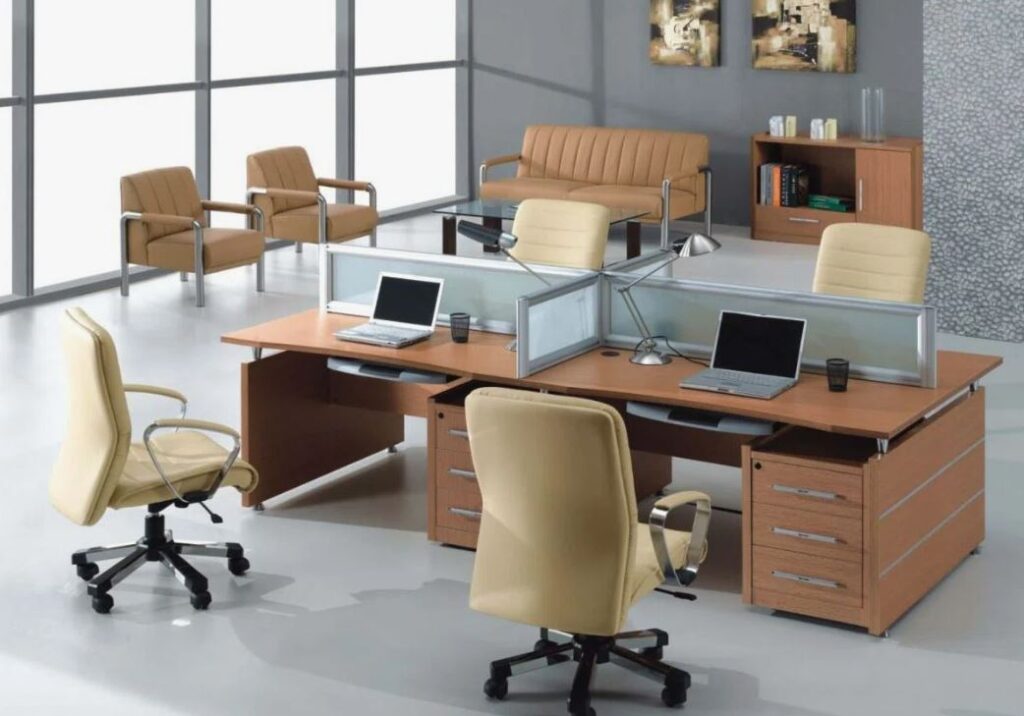
Small businesses today operate in highly competitive environments where space efficiency, functionality, and visual presentation all play an important role in success. Making the right interior decisions can directly influence productivity, customer experience, and long-term growth. Furniture for small businesses is no longer just about filling a room with desks and chairs; it is about creating a strategic environment that supports daily operations while maintaining a professional and organized appearance. When space is limited, every piece of furniture must contribute to efficiency, whether through storage, comfort, flexibility, or visual appeal. A well-planned workspace helps businesses operate smoothly and present themselves as credible and trustworthy in front of clients and visitors.
Space Optimization for Compact Work Environments
Efficient use of space is one of the biggest challenges for small business owners, especially in urban areas where rent and property costs are high. A smart layout ensures that no area is wasted and every corner serves a meaningful purpose. Compact desks, wall-mounted shelves, and modular storage units are becoming essential in modern business environments. These solutions allow small Stores to maximize floor space without compromising on functionality. The key is to design a layout that allows free movement while maintaining clear work zones. When furniture is arranged strategically, even a small office or retail area can feel open, organized, and highly efficient. Businesses that prioritize space optimization often experience smoother workflow, reduced clutter, and improved employee comfort.
Functional Design That Supports Daily Operations
Functionality is the foundation of any effective workspace design. In small business environments, furniture must support multiple tasks while maintaining comfort and accessibility. Workstations should provide enough surface area for productivity without overwhelming the room. Storage units must be easy to reach so employees can work efficiently without unnecessary interruptions. Ergonomic seating is also essential because it reduces physical strain and helps maintain focus during long working hours. In customer-facing Stores, furniture placement also influences how customers move through the space and interact with products or services. A well-designed functional setup not only improves internal workflow but also enhances the overall customer experience, making the business appear more organized and professional.
Strategic Layout Planning for Better Efficiency
A thoughtful layout is essential for making the most of limited space in Furniture for small businesses environments. Proper planning ensures that furniture placement supports productivity and avoids unnecessary congestion. Open layouts are often preferred because they create a sense of spaciousness, but they must still include defined zones for different activities such as work, meetings, storage, and customer interaction. In office environments, separating collaborative areas from focused workstations helps maintain concentration and reduces distractions. In retail Stores, the arrangement of counters, display units, and movement pathways can guide customers naturally through the space, improving engagement and increasing sales opportunities. Lighting, furniture alignment, and traffic flow all work together to create a balanced and efficient environment.
Durable Materials That Ensure Long-Term Value
Durability is a key factor when selecting furniture for small business use because frequent replacements can become expensive and disruptive. High-quality materials such as engineered wood, stainless steel frames, and laminated surfaces are commonly used because they offer strength and long-lasting performance. These materials are designed to handle daily wear and tear, making them suitable for busy office environments and high-traffic Stores. Easy maintenance is another important consideration, as furniture that is simple to clean helps maintain hygiene and reduces operational effort. Scratch-resistant and moisture-resistant surfaces are especially useful in environments where furniture is used frequently. Investing in durable furniture ensures long-term savings and reduces the need for constant upgrades or replacements.
Enhancing Brand Identity Through Interior Design
The interior design of a business space plays a significant role in shaping brand perception. Furniture choices influence how customers and clients view the professionalism and credibility of a business. A clean, modern, and well-organized setup creates a strong positive impression, while cluttered or mismatched furniture can negatively impact trust. Color coordination, design consistency, and material selection all contribute to building a strong visual identity. Small businesses can use furniture styles to reflect their brand personality, whether it is modern, minimal, creative, or corporate. In competitive markets, a well-designed workspace helps businesses stand out and leaves a lasting impression on visitors. Even simple design improvements can significantly enhance brand recognition and customer loyalty.
Smart Investment Approach for Growing Businesses
For small businesses, every purchase must be viewed as a long-term investment rather than a short-term expense. Furniture plays a crucial role in operational efficiency, customer experience, and employee satisfaction. Instead of focusing only on initial cost, business owners should consider durability, flexibility, and scalability. Modular furniture systems are especially beneficial because they allow businesses to adjust or expand their setup as they grow. This adaptability reduces the need for frequent redesigns and helps maintain consistency in the workspace. A smart investment approach ensures that the furniture continues to deliver value over time while supporting business expansion and operational improvements.
Creating Productive and Comfortable Workspaces
A productive workspace is one that balances comfort with efficiency. Employees perform better when they have access to well-designed furniture that supports their physical and mental well-being. Proper seating, adjustable desks, and well-organized storage solutions all contribute to a more comfortable work environment. In small business settings, where space limitations are common, creating comfort without overcrowding becomes even more important. A thoughtfully designed workspace reduces stress, improves concentration, and enhances overall job satisfaction. When employees feel comfortable in their environment, productivity naturally increases, leading to better business performance.
Conclusion for Sustainable Business Growth
Selecting the right furniture is an essential step in building a successful and efficient small business environment. From optimizing space and improving functionality to strengthening brand identity, every design decision contributes to overall business growth. Careful planning and smart investment choices help create a workspace that is both practical and visually appealing. Businesses that focus on quality, durability, and adaptability are better positioned to succeed in competitive markets. A well-designed environment supported by solutions from Modern office table designs can significantly enhance productivity, improve customer experience, and ensure long-term operational stability.