Workplace furniture trends for Metro Manila ergonomic
The modern workplace is changing rapidly, and workplace furniture trends are now a key factor in shaping productive, comfortable, and visually appealing office environments. Businesses today are no longer focusing only on traditional desks and chairs; instead, they are investing in flexible, ergonomic, and technology-friendly furniture solutions that support employee well-being and efficiency.
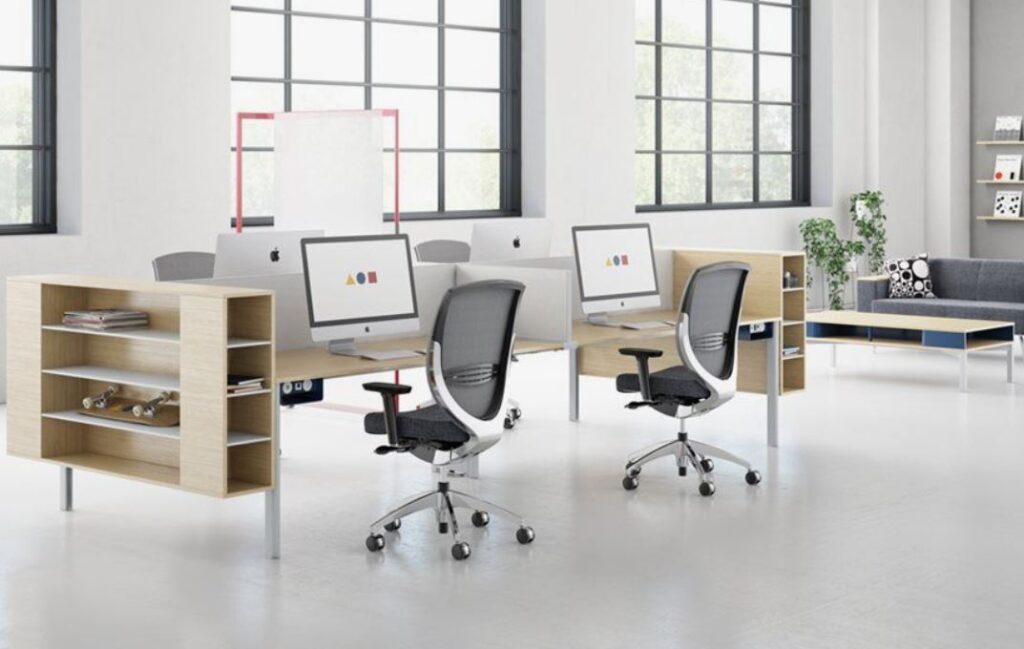
In many office setups, especially in growing business hubs, companies are rethinking how furniture influences workflow, collaboration, and employee satisfaction. The demand for adaptable layouts, modular seating, and smart storage solutions is increasing as organizations aim to create dynamic work environments. These evolving workplace furniture trends also reflect the shift toward hybrid work culture, where office spaces must accommodate both in-person and remote collaboration styles. As a result, office design is becoming more human-centered, prioritizing comfort, productivity, and long-term usability.
Smart And Ergonomic Workplace Furniture Trends For Productivity
One of the most important aspects of workplace furniture trends is the strong focus on ergonomics and employee health. Companies are now investing in chairs with adjustable lumbar support, height-adjustable desks, and monitor-friendly workstations to reduce physical strain and improve posture. This shift is driven by the understanding that comfortable employees are more productive and less prone to workplace fatigue. Ergonomic furniture is no longer considered a luxury but a necessity in modern office environments. In addition, smart desks with built-in cable management, wireless charging, and adjustable settings are becoming increasingly popular.
These innovations help employees personalize their workspace and maintain better focus throughout the day. The integration of technology into furniture design is also shaping workplace furniture trends, making offices more efficient and future-ready. Companies are also paying attention to acoustic furniture solutions that reduce noise and create a more focused work environment, which is especially important in open-plan offices.
Sustainable Workplace Furniture Trends In Office Stores Today
Sustainability has become a major driving force behind workplace furniture trends in recent years. Many businesses are now prioritizing eco-friendly materials such as recycled wood, metal, and biodegradable composites when selecting office furniture. This shift is not only beneficial for the environment but also helps companies build a responsible and modern brand image. Office furniture designed with sustainability in mind often lasts longer and reduces waste, making it a cost-effective solution in the long run.
Across various office furniture stores, there is a noticeable increase in demand for environmentally conscious designs that combine style with durability. Companies are also opting for modular furniture that can be easily repaired, reconfigured, or reused instead of being discarded. This sustainable approach is becoming a core part of global workplace furniture trends, influencing both small startups and large corporations. As awareness grows, businesses are actively seeking furniture solutions that align with green building certifications and corporate sustainability goals.
Workplace Furniture Trends In Collaborative Office Design Spaces
Collaboration is at the heart of modern work culture, and workplace furniture trends strongly reflect this shift toward teamwork-oriented environments. Offices are now designed with flexible seating arrangements, open meeting zones, and movable furniture that can be easily adjusted for group discussions or individual work. Instead of rigid cubicles, companies are adopting lounge-style seating, collaborative tables, and multi-purpose workstations that encourage communication and idea sharing.
This transformation is helping teams become more creative and productive while fostering a sense of community within the workplace. Another important aspect of these workplace furniture trends is the use of modular partitions that allow spaces to be reconfigured based on project needs. This flexibility ensures that office layouts remain dynamic and adaptable to changing work demands. Additionally, collaborative furniture is often designed with integrated technology features such as power outlets, screens, and connectivity hubs, making teamwork more efficient and seamless.
Choosing The Right Office Furniture Stores For Modern Needs
Selecting the right office furniture stores plays a crucial role in implementing effective workplace furniture trends within any organization. Businesses need to focus on stores that offer a wide variety of modern, ergonomic, and sustainable furniture options to meet diverse office requirements. A reliable store should provide customizable solutions that align with both aesthetic preferences and functional needs. Many companies now prefer stores that specialize in modular office systems, as these allow flexibility in design and space optimization.
When evaluating options, it is important to consider product quality, durability, warranty, and after-sales support. The right furniture store will also understand the importance of current workplace furniture trends and offer designs that match modern office standards. From executive desks to collaborative seating and storage units, choosing a trusted supplier ensures long-term value and workplace efficiency. Businesses that invest wisely in office furniture stores can significantly enhance employee satisfaction and operational productivity.
Future Workplace Furniture Trends And Smart Office Evolution
The future of office design is expected to be even more innovative as workplace furniture trends continue to evolve with technology and changing work habits. Smart offices equipped with AI-driven furniture systems, sensor-based lighting, and automated height-adjustable desks are becoming more realistic and accessible. These advancements aim to create fully responsive work environments that adapt to user behavior and preferences. Remote and hybrid work models are also influencing future furniture designs, with a focus on portability, compactness, and multifunctionality.
Offices are likely to become more flexible, allowing employees to shift between different work modes effortlessly. As these workplace furniture trends continue to develop, companies must stay updated to remain competitive and attractive to top talent. In conclusion, modern office spaces are no longer just physical locations but dynamic environments that support creativity, collaboration, and well-being. Brands like Modern office table designs are contributing to this transformation by offering innovative solutions that align with evolving workplace demands and help businesses create efficient and inspiring office environments.