
Office Furniture Comparison for Productive Office Workspaces
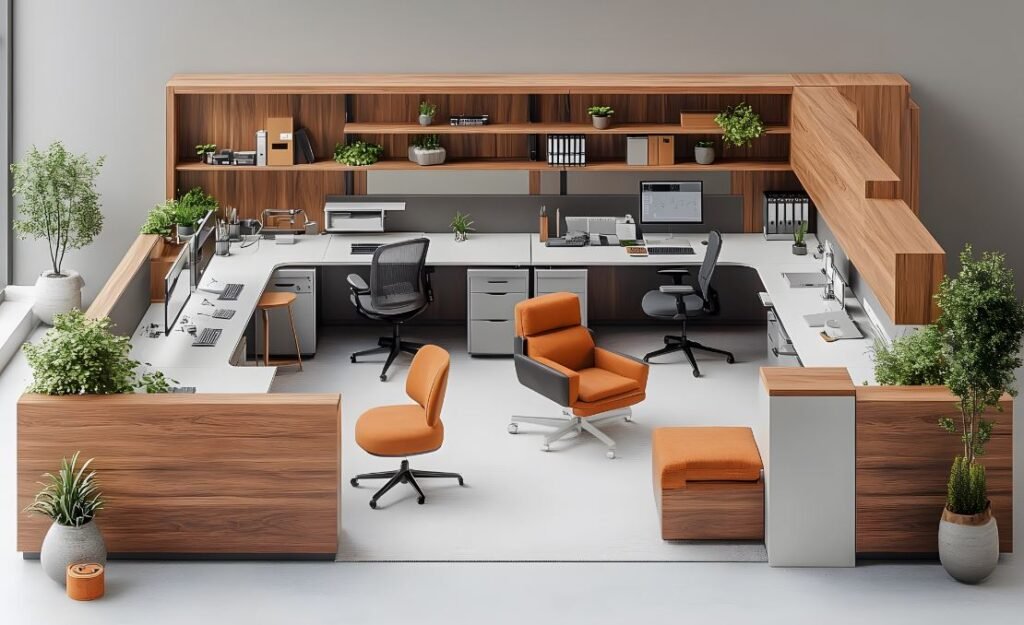
Creating a productive workplace starts with choosing furniture that supports employees, business operations, and the overall office environment. Companies in the Philippines have different workspace requirements depending on their size, industry, available floor space, and budget. A detailed Office Furniture Comparison helps business owners, procurement teams, and interior designers understand which furniture options offer the best combination of comfort, durability, functionality, and value.
Choosing office furniture is not simply about selecting attractive desks and chairs. It involves evaluating materials, construction quality, ergonomic features, storage capacity, maintenance requirements, and long-term usability. Whether you are furnishing a startup office in Manila, upgrading a corporate workspace in Quezon City, or planning a professional environment for a growing organization, comparing different furniture options can help you make informed purchasing decisions.
Why Is Comparing Office Furniture Important?
Office furniture is a long-term investment that directly influences workplace comfort, organization, and productivity. Purchasing furniture without comparing available options can result in unnecessary expenses, unsuitable dimensions, and products that do not meet daily business requirements.
A proper comparison allows businesses to evaluate different products based on their actual needs. For example, a small startup may prioritize affordable desks and space-saving storage, while a corporate office may require coordinated workstations, ergonomic chairs, and professional meeting tables.
There are several important reasons to compare furniture before making a purchase.
- Budget management: Compare prices and product specifications to identify suitable furniture within your budget.
- Employee comfort: Evaluate ergonomic features that support comfortable working conditions.
- Durability: Examine materials, construction, and expected maintenance requirements.
- Space utilization: Select furniture that fits your office layout without creating unnecessary congestion.
- Professional appearance: Choose designs that complement your company’s identity and workplace atmosphere.
- Long-term value: Consider product quality and usability instead of focusing exclusively on the initial purchase price.
These factors make furniture comparisons particularly valuable for organizations planning a new office or renovating an existing workspace.
Different Types of Office Furniture to Compare
Every office requires a combination of furniture products to support different activities. Understanding the differences between available options makes it easier to create a practical and organized environment.
Office Desks and Office Tables
Office desks are among the most frequently used furniture items in professional environments. They provide employees with dedicated working areas for computers, documents, and everyday office activities.
When comparing office desks, consider the following features:
- Tabletop dimensions and available workspace.
- Material quality and surface finish.
- Cable management options.
- Storage compartments and drawers.
- Frame stability and weight capacity.
- Compatibility with office chairs and computer equipment.
A traditional office desk may suit employees who require a straightforward workstation. Larger executive desks provide additional working space and a more formal appearance. Compact computer tables can be useful in smaller offices where efficient space utilization is important.
The best option depends on the employee’s responsibilities and available floor area.
Office Chairs and Ergonomic Seating
Office chairs deserve special attention because employees often spend several hours sitting while completing their daily responsibilities.
A basic office chair may provide essential seating functionality, while an ergonomic chair can offer additional adjustment features.
Compare office chairs based on:
- Adjustable seat height.
- Backrest support.
- Lumbar support.
- Armrest functionality.
- Seat cushioning.
- Breathable upholstery.
- Base stability and mobility.
For businesses in Manila and Quezon City, selecting appropriate seating can help create more comfortable working environments. It is important to evaluate actual chair dimensions and adjustment features rather than choosing products based only on appearance.
Filing Cabinets and Storage Furniture
Storage Office Furniture Comparison plays an important role in maintaining an organized workplace. Businesses that handle paperwork, contracts, financial records, and administrative documents need appropriate storage solutions.
Filing cabinets, mobile pedestals, office cupboards, and storage shelves serve different purposes.
A filing cabinet is useful for organizing important documents, while mobile pedestals provide convenient storage near individual workstations. Larger office cabinets can accommodate shared supplies and administrative materials.
Compare storage products according to their dimensions, drawer capacity, locking systems, material construction, and accessibility.
Office Furniture Materials: Which Option Is Better?
Material selection affects the appearance, durability, maintenance, and overall cost of office furniture. Different materials offer different advantages, making it important to understand their characteristics before purchasing.
Laminated furniture is a popular option for offices because it offers different colors, textures, and finishes. It can complement contemporary interiors and is generally straightforward to clean.
However, businesses should examine edge finishing, surface thickness, and resistance to everyday wear.
Metal Office Furniture
Metal furniture is commonly used for storage cabinets, shelving systems, and furniture frames. Its strength makes it suitable for workplaces that require dependable structural support.
The quality of protective coatings and finishing should also be considered, especially in humid environments.
Solid Wood and Engineered Wood
Solid wood provides a distinctive natural appearance and can create an elegant professional environment. Engineered wood offers greater flexibility in terms of furniture designs and price ranges.
The right selection depends on budget, maintenance expectations, appearance, and intended usage.
Budget vs Quality: What Should Businesses Prioritize?
One of the biggest challenges during office furniture purchasing is balancing product quality with available budgets.
Low-cost furniture may initially appear attractive, particularly for startups and small businesses. However, purchasing decisions should also consider construction quality, everyday usage, maintenance, and replacement requirements.
Premium furniture may provide additional features, stronger construction, or more refined finishes. Nevertheless, higher prices do not automatically guarantee that a product is suitable for every workplace.
A practical comparison should evaluate:
- Initial purchase price.
- Material and construction quality.
- Product dimensions and functionality.
- Warranty coverage, where provided.
- Maintenance requirements.
- Expected frequency of use.
- Compatibility with existing office furniture.
For example, a reception area may require furniture with a stronger visual focus, while an employee workstation should prioritize everyday comfort and functionality.
Businesses should invest according to the importance and frequency of furniture usage.
How to Choose Office Furniture for Manila and Quezon City Offices
Office requirements can vary considerably depending on the building layout, number of employees, business operations, and available space.
Companies in Metro Manila often need to consider efficient furniture arrangements, particularly when working with limited floor areas.
Before purchasing furniture, evaluate the following factors.
Measure Your Available Office Space
Start by measuring the office area, including walls, doors, windows, and existing fixtures. Consider walking paths and enough clearance for employees to move comfortably.
Avoid purchasing oversized desks or storage cabinets that restrict movement.
Understand Your Employees’ Requirements
Different departments have different furniture requirements. Administrative employees may need desks with storage, while designers may require larger work surfaces.
Meeting rooms need suitable conference tables and comfortable chairs, whereas reception areas require welcoming and professional furniture.
Consider Office Layout and Design
Furniture should complement the overall office layout. Modern workplaces may benefit from coordinated desk finishes, organized workstations, and consistent furniture styles.
Consider how individual furniture pieces will work together instead of purchasing products without a clear design plan.
Plan for Future Business Growth
Growing companies should consider whether their furniture arrangements can accommodate additional employees.
Modular workstations, flexible desks, and movable storage units can make future office adjustments easier.
Compare Available Suppliers
Before placing an order, evaluate suppliers based on product selection, customization options, available specifications, customer assistance, delivery arrangements, and after-sales support.
Requesting product details and quotations can help procurement teams compare different options more accurately.
Common Mistakes to Avoid When Comparing Office Furniture
Even experienced business owners can make purchasing mistakes when they focus on only one aspect of furniture selection.
Here are some common problems to avoid:
- Choosing furniture based only on price: Affordable products may not provide the functionality or construction quality required for everyday use.
- Ignoring measurements: Furniture that looks suitable in a showroom may not fit the actual office layout.
- Overlooking ergonomics: Employee seating and workstation dimensions should support comfortable daily activities.
- Selecting unsuitable materials: Consider maintenance requirements and the conditions in which furniture will be used.
- Ignoring storage requirements: Insufficient storage can create clutter and reduce workplace organization.
- Forgetting future expansion: Furniture should support changing business requirements whenever possible.
- Not comparing specifications: Similar-looking products may have different dimensions, materials, and construction features.
Avoiding these mistakes can make the purchasing process more efficient and help businesses select furniture that provides lasting value.
Modern Office Furniture Trends for Philippine Businesses
Modern workplaces increasingly focus on flexibility, employee comfort, and efficient use of available space. Businesses are looking beyond traditional desks and chairs to create environments that support different working styles.
Some relevant furniture trends include:
Minimalist office furniture: Clean designs, practical storage, and simple finishes help create organized professional environments.
Modular workstations: Flexible workstation systems allow businesses to adjust layouts according to employee requirements.
Ergonomic furniture: Adjustable chairs and appropriately designed desks support comfortable working arrangements.
Collaborative furniture: Meeting tables and shared workstations provide dedicated spaces for communication and teamwork.
Space-saving storage: Mobile pedestals, compact cabinets, and vertical storage solutions help maximize available floor space.
For companies planning office renovations in Manila or Quezon City, these options can help create functional environments without compromising professional appearance.
How Modern Office Table Designs Can Help With Furniture Selection
Selecting suitable office furniture requires more than comparing product photographs or advertised prices. Businesses need to understand how individual furniture pieces will function within their actual working environments.
Modern Office Table Designs can be positioned around helping businesses explore practical office furniture options that support different workplace requirements. From office desks and tables to chairs, workstations, and storage furniture, selecting appropriate products starts with understanding the intended application.
When evaluating furniture, businesses should consider product dimensions, available finishes, material specifications, construction quality, and compatibility with their office layouts.
A well-planned furniture selection process can help startups establish professional workspaces and allow established companies to improve existing office arrangements.
Whether you are furnishing a small business, planning a corporate office, or upgrading an administrative environment, taking time to compare available options can help you make more confident purchasing decisions.
Conclusion
A well-planned Office Furniture Comparison helps businesses identify products that balance functionality, comfort, appearance, durability, and budget. From office desks and ergonomic chairs to workstations, cubicles, and storage cabinets, every furniture category should be evaluated according to its intended purpose.
Businesses in Manila and Quezon City should pay particular attention to office measurements, employee requirements, material quality, and future expansion needs. Comparing product specifications and supplier services before purchasing can reduce unnecessary expenses and support better workplace planning.
With a thoughtful approach to furniture selection, organizations can create professional environments that support everyday operations and long-term business growth. Modern Office Table Designs can be part of the furniture selection journey for businesses looking to make informed decisions about their office interiors.
Frequently Asked Questions
What Is an Office Furniture Comparison?
An office furniture comparison evaluates different furniture products based on price, materials, durability, comfort, functionality, and suitability for workplace requirements.
Which Office Furniture Is Essential for a New Business?
Essential office furniture usually includes desks, ergonomic chairs, storage cabinets, meeting tables, and suitable workstations, depending on business operations.
How Do I Compare Office Furniture Quality?
Check material specifications, construction, stability, surface finishing, available warranty information, and suitability for everyday use.
Which Office Furniture Is Best for Small Offices?
Compact desks, modular workstations, mobile pedestals, and multifunctional storage furniture are useful options for smaller office environments.
Why Should Businesses Invest in Ergonomic Office Chairs?
Ergonomic chairs offer adjustable features and supportive seating that can help employees maintain more comfortable working positions.
What Materials Are Commonly Used in Office Furniture?
Common materials include laminated wood, engineered wood, solid wood, metal, and glass. Each material offers different aesthetic and functional characteristics.
How Can I Choose Office Furniture for a Corporate Office?
Consider employee requirements, office dimensions, furniture quality, workplace design, storage capacity, and future expansion plans.
Should I Compare Office Furniture Suppliers Before Purchasing?
Yes. Comparing product specifications, customization options, quotations, delivery arrangements, and after-sales support can help businesses make better purchasing decisions.
What Should I Consider When Buying Office Furniture in Manila?
Consider available office space, furniture dimensions, material quality, employee comfort, delivery arrangements, and the supplier’s ability to meet your requirements.