
Office Furniture Corporate Options for Philippine Offices
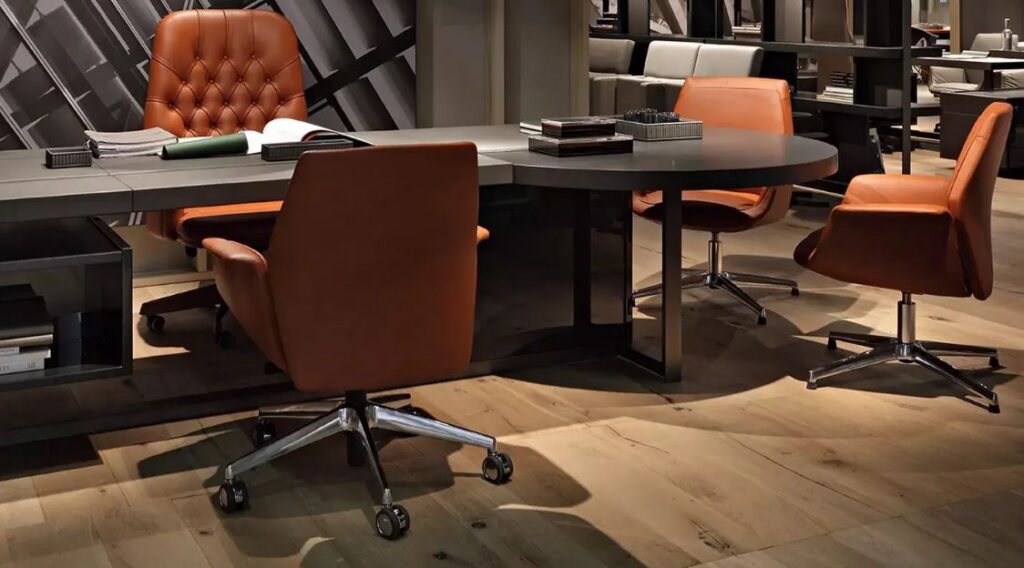
A well-planned corporate workplace needs more than desks and chairs. It should support productivity, organization, collaboration, comfort, and a professional company image. In the Philippines, businesses in Manila and Quezon City are increasingly looking for office furniture that can adapt to different teams, work styles, and office layouts. Choosing the right Office Furniture Corporate solutions can help companies create functional spaces while making better use of available floor area.
What Is Corporate Office Furniture?
Corporate office furniture refers to furniture designed for professional workplaces, including executive offices, employee workstations, meeting rooms, reception areas, conference rooms, and shared spaces. Common pieces include office desks, ergonomic chairs, filing cabinets, storage units, conference tables, reception counters, workstations, and office partitions.
The right furniture should match the company’s workflow rather than simply filling an empty office. For example, an accounting department may require organized workstations and document storage, while a creative team may benefit from collaborative tables and flexible seating. Understanding these differences helps businesses select furniture that supports daily operations.
Why Office Furniture Matters in Corporate Workplaces
Furniture influences how employees use a workspace. A poorly arranged office can create unnecessary movement, limited storage, uncomfortable working positions, and inefficient use of floor space. A carefully planned workplace can make everyday activities more convenient.
Corporate furniture also contributes to the visual identity of a business. A coordinated reception area can create a professional first impression for clients and visitors. Matching desks, chairs, storage, and meeting tables can give the workplace a consistent appearance without sacrificing functionality.
For businesses in Manila and Quezon City, space planning is particularly important when offices need to accommodate growing teams within a fixed floor area. Modular workstations, compact storage, and appropriately sized desks can help companies make practical use of their available space.
Key Types of Corporate Office Furniture
Different areas of a corporate office require different furniture solutions. Understanding the purpose of each category makes the purchasing process easier.
Workstations are commonly used for employee areas because they provide dedicated working surfaces while helping organize teams. They can be arranged in rows, clusters, or other configurations depending on the office layout.
Executive desks are generally used in private offices and management spaces. They often provide a larger working surface and additional storage while creating a more formal appearance.
Conference tables are essential for meetings, presentations, planning sessions, and client discussions. Their size and shape should correspond with the number of people who regularly use the meeting room.
Reception desks serve as the main point of interaction between visitors and the company. They should provide enough working space for reception staff while fitting naturally into the entrance area.
Storage cabinets and pedestals help employees organize documents, stationery, equipment, and personal belongings. Good storage planning can reduce clutter and keep frequently used items accessible.
Ergonomic office chairs support employees during extended periods of desk work. Adjustable seat height, back support, armrests, and suitable seating dimensions are important factors when evaluating workplace seating.
How to Choose Office Furniture for a Corporate Office
The first step is to understand how the office will be used. Consider the number of employees, departments, work patterns, meeting requirements, storage needs, and available floor space.
Measure the office before purchasing furniture. Desk dimensions may look suitable individually but become difficult to arrange when combined with chairs, walkways, cabinets, doors, and meeting areas.
Durability is another important consideration. Corporate furniture can experience frequent daily use, so materials, hardware, finishes, and construction should be evaluated before making a purchase.
Comfort should also be considered, particularly for employees who spend several hours working at a desk. Furniture that supports practical working positions can contribute to a more comfortable workplace.
Businesses should also consider future growth. Modular or reconfigurable furniture may allow companies to adjust departments without replacing the entire office setup.
Corporate Office Furniture and Space Planning
Space planning should happen before furniture orders are finalized. A good layout creates clear circulation paths and gives each area a defined purpose.
For example, an office may include individual workstations, private offices, a reception area, meeting rooms, storage zones, and collaborative spaces. These areas should work together rather than compete for floor space.
In smaller offices, multi-purpose furniture can be useful. A meeting table may also serve as a collaborative workspace, while mobile storage can be moved when teams change their layouts.
For larger corporate offices, consistent workstation systems can help create an organized appearance while making future expansion easier.
Ergonomics Should Be Part of the Buying Decision
Office furniture should not be selected based only on appearance. Employees interact with desks and chairs for many hours, making comfort and adjustability important considerations.
An ergonomic workstation generally allows employees to position their monitor, keyboard, chair, and working surface appropriately for their tasks. Adjustable chairs are especially useful because employees have different body dimensions and seating preferences.
Desk height, monitor positioning, chair adjustment, legroom, and access to frequently used equipment should all be considered during workplace planning.
Materials, Finishes, and Durability
Office Furniture Corporate is available in a wide range of materials and finishes. Laminate surfaces are commonly used for office desks because they can offer practical maintenance and a wide variety of designs. Metal components may be used for frames, legs, and structural support, while glass can be incorporated into selected desks or partitions.
The right material depends on the location and expected usage. High-traffic corporate environments may require particularly durable surfaces and hardware. Reception and executive areas may place greater emphasis on appearance, while employee workstations may prioritize durability and practicality.
A balance between appearance, maintenance, durability, and budget usually produces a more sustainable purchasing decision.
Office Furniture for Manila and Quezon City Businesses
Businesses searching for corporate furniture in Manila and Quezon City should consider both their office requirements and the practicalities of sourcing, delivery, installation, and after-sales support.
Local businesses may need furniture for headquarters, branch offices, coworking spaces, schools, healthcare facilities, government offices, or professional service firms. Each environment has different requirements.
When comparing suppliers, businesses can ask about product specifications, customization options, delivery schedules, installation services, warranty coverage, available finishes, and project-based furniture solutions. These details can be especially important for companies furnishing an entire office rather than purchasing a single desk.
Common Mistakes When Buying Corporate Office Furniture
One common mistake is purchasing furniture before measuring the workspace. Even attractive furniture can create problems if it blocks circulation or leaves insufficient room for employees.
Another mistake is focusing entirely on the lowest purchase price. Furniture that does not meet the office’s durability or functional requirements may create additional replacement costs later.
Ignoring employee comfort can also create an unsuitable working environment. Similarly, buying inconsistent furniture without considering the overall office design can make different departments look disconnected.
Businesses should also avoid purchasing too much furniture at once without considering future expansion. A scalable approach can provide greater flexibility as teams change.
How to Compare Corporate Furniture Suppliers
Before choosing a supplier, businesses can compare several practical factors. Product quality, customization, pricing, delivery capabilities, installation support, warranty terms, and previous project experience are useful areas to review.
Ask for clear product specifications rather than relying only on photographs. For larger projects, request furniture layouts or space-planning assistance when available.
It is also useful to explain the company’s actual requirements. A supplier that understands employee numbers, department structures, office dimensions, storage needs, and project deadlines can provide more relevant recommendations.
Creating a Professional Corporate Workplace
A professional office does not necessarily require expensive furniture. The most effective workplace is one where furniture choices support the company’s actual operations.
A consistent design language can help connect reception areas, executive offices, employee workstations, meeting rooms, and collaborative spaces. Neutral finishes can create a professional foundation, while selected materials or accent elements can introduce visual character.
The goal should be to create an office that feels organized and purposeful while remaining practical for everyday work.
Planning Your Corporate Office Furniture Purchase
Before requesting a quotation, prepare basic information about the project. Include the approximate floor area, number of employees, departments, preferred furniture categories, storage requirements, meeting room needs, and expected installation schedule.
A floor plan or office dimensions can make supplier discussions more precise. Businesses can also identify which furniture needs to be standardized and which areas require customized solutions.
Modern Office Table Designs can be considered when businesses are exploring furniture solutions for professional workplace environments and need to match office furniture with their space, workflow, and design requirements.
Frequently Asked Questions
What furniture is needed for a corporate office?
Common requirements include workstations, office desks, ergonomic chairs, storage cabinets, conference tables, reception furniture, and meeting-room furniture.
How do I choose corporate office furniture?
Start with your office dimensions, employee count, workflow, storage needs, budget, and preferred design. Then compare furniture specifications, durability, customization, and supplier services.
Is ergonomic furniture important for corporate offices?
Yes. Employees often spend long periods at their workstations, so adjustable and appropriately sized furniture can support a more comfortable working environment.
Can corporate office furniture be customized?
Many office furniture suppliers offer customization in areas such as dimensions, finishes, configurations, storage options, and workstation layouts.
What should businesses consider when buying furniture in Manila?
Consider office size, delivery requirements, installation, furniture durability, customization, warranty support, and whether the supplier can handle the scale of the project.
How can businesses maximize limited office space?
Use accurate space planning, appropriately sized furniture, modular workstations, vertical storage, and flexible furniture that can accommodate changing team requirements.
Final Thoughts
Choosing the right Office Furniture Corporate solutions requires more than selecting attractive desks and chairs. Businesses should consider space planning, employee comfort, durability, storage, workflow, future growth, and overall workplace design. For companies in Manila and Quezon City, working with a supplier that understands corporate office requirements can make the planning, purchasing, delivery, and installation process more practical.
A well-planned office can support employees while presenting a professional environment to clients, partners, and visitors. By evaluating furniture based on actual workplace needs rather than appearance or price alone, businesses can create an office that remains functional as their organization grows.