
Office Furniture Supply for Efficient Manila Offices
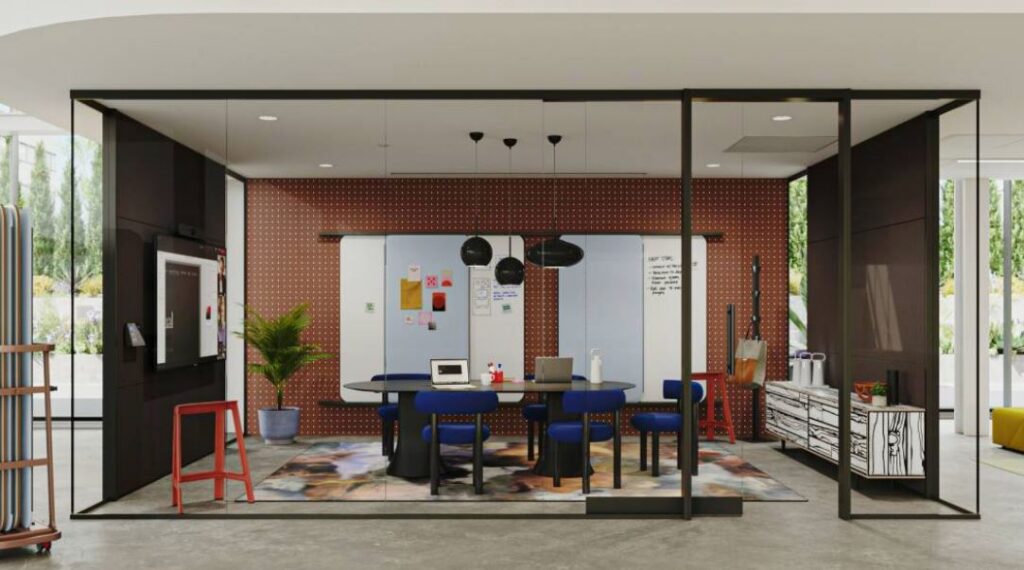
Choosing the right furniture is an important step in creating a productive, organized, and comfortable workplace. Businesses need furniture that supports daily operations, makes efficient use of available space, and reflects their professional identity. A reliable Office Furniture Supply solution helps companies find suitable desks, office chairs, conference tables, storage cabinets, and workstations without compromising functionality or workplace comfort. In Manila and Quezon City, where businesses operate in offices of different sizes, selecting furniture that meets specific workplace requirements can make a significant difference in long-term efficiency.
Why Office Furniture Supply Matters for Modern Businesses
Office furniture is more than a collection of desks and chairs. It influences employee comfort, workspace organization, collaboration, and the overall appearance of a business. Companies that invest in suitable furniture can create an environment where employees have the tools and space they need to perform their responsibilities effectively.
A dependable furniture supply partner helps businesses select products based on their workspace, budget, employee requirements, and future expansion plans. Instead of purchasing individual pieces without a clear plan, organizations can coordinate their furniture choices to achieve a consistent and functional office layout.
Businesses in Metro Manila often need to consider limited floor space, changing team sizes, and different workplace arrangements. Modular desks, ergonomic seating, and practical storage solutions can help companies make better use of their available space.
Types of Office Furniture Every Workplace Needs
Every workplace has different requirements. A corporate office may need executive desks and conference tables, while a startup may prioritize affordable workstations and flexible furniture. Understanding the main furniture categories helps businesses make informed purchasing decisions.
Office Desks and Workstations
Office desks provide employees with dedicated spaces for completing daily tasks. The right desk should offer sufficient working surface, comfortable legroom, and convenient access to essential equipment.
Businesses can choose from executive desks, computer tables, L-shaped desks, shared workstations, and adjustable-height desks. The best option depends on the nature of the work, the available floor area, and the equipment employees use regularly.
For companies planning an open office, modular workstations can support collaboration while maintaining individual work areas. Organizations with private offices may prefer larger desks that provide additional storage and a more formal appearance.
Ergonomic Office Chairs
Office chairs are essential for employees who spend extended periods sitting at their desks. Adjustable seat height, suitable lumbar support, and comfortable backrests can help employees maintain a more supportive sitting position.
When selecting office chairs, businesses should consider adjustability, durability, ease of maintenance, and compatibility with desk heights. Providing suitable seating for employees can also contribute to a more comfortable and organized workplace.
Conference and Meeting Tables
Meeting rooms support discussions, presentations, interviews, and collaborative planning. Conference tables should accommodate the expected number of participants without restricting movement around the room.
Rectangular Office Furniture Supply are suitable for many traditional meeting spaces, while modular configurations can provide greater flexibility for training sessions and group activities. Cable management features can also help keep meeting areas tidy when laptops, displays, and other electronic devices are used.
Office Cabinets and Storage Solutions
Proper storage helps businesses organize documents, office supplies, equipment, and personal belongings. Filing cabinets, mobile pedestals, shelving units, and lockable storage cabinets can reduce desk clutter and make frequently used items easier to access.
Companies should evaluate storage capacity, security requirements, available floor space, and the type of materials being stored before making a purchase.
Reception and Executive Furniture
Reception areas create an important first impression for clients, suppliers, and visitors. Reception desks, guest chairs, and coordinated furniture can help establish a professional environment.
Executive offices may require larger desks, comfortable seating, and coordinated storage furniture. However, appearance should not be the only consideration. Each item should also support the daily activities performed in the space.
How to Choose the Right Office Furniture Supply Partner
Selecting an appropriate supplier is an important part of an office furniture purchasing project. Businesses should evaluate more than the initial product price to determine whether a supplier can meet their operational needs.
Evaluate Product Quality and Durability
Office furniture experiences regular use, so materials and construction quality matter. Examine desk surfaces, frame stability, drawer mechanisms, chair adjustment systems, and the quality of joints and fittings.
Ask about material specifications, product warranties, maintenance requirements, and the availability of replacement parts. These details help procurement teams compare products more accurately and assess their potential long-term value.
Compare Prices and Overall Value
An affordable purchase is not always the most economical choice over time. Low-cost furniture may require earlier replacement if it cannot withstand regular workplace use.
When comparing quotations, review product dimensions, materials, included accessories, delivery charges, assembly costs, warranty coverage, and applicable taxes. Comparing equivalent specifications makes it easier to identify the best value for the available budget.
Confirm Delivery and Installation Arrangements
Businesses purchasing furniture for an entire office need to understand how delivery and installation will be managed. Delays can affect office opening schedules, employee relocation, and normal business operations.
Before placing an order, confirm the expected delivery timeline, installation responsibilities, access requirements, and procedures for handling damaged or incomplete items. Offices in busy areas of Manila and Quezon City may also need to coordinate delivery schedules with building management.
Consider Customization and Future Expansion
Some workplaces need furniture that fits specific room dimensions, branding requirements, or operational processes. Custom-sized desks, coordinated finishes, modular workstations, and integrated storage may help address these needs.
Businesses expecting future growth should consider whether their furniture can be rearranged or expanded without requiring a complete replacement. Flexible furniture arrangements can make future office changes easier to manage.
Office Furniture Supply for Manila and Quezon City Businesses
Manila and Quezon City accommodate a wide range of organizations, from small businesses and startups to established corporations, educational institutions, healthcare facilities, and public-sector offices. Each organization has different furniture priorities.
Furniture Solutions for Corporate Offices
Corporate offices often require coordinated workstations, ergonomic chairs, executive desks, conference tables, and secure storage. A well-planned furniture arrangement can support different departments while maintaining a consistent workplace appearance.
Procurement teams should consider the number of employees, departmental requirements, meeting room capacity, and opportunities for future expansion before finalizing their orders.
Office Furniture for Startups and Small Businesses
Startups frequently operate within limited budgets and may need to furnish their offices in stages. Compact desks, multipurpose storage, durable chairs, and modular workstations can help them establish a functional workplace without unnecessary spending.
A practical purchasing plan should prioritize essential furniture first and leave room for additional items as the business grows.
Furniture for Schools and Training Facilities
Schools, training centers, and educational offices need furniture that supports daily administrative activities, staff work, and student services. Desks, chairs, filing cabinets, and meeting tables should be selected according to their intended users and frequency of use.
Durability, ease of cleaning, and suitable dimensions are especially important when furniture will be used by different people throughout the day.
Furniture for Hospitals and Healthcare Offices
Administrative areas in hospitals and clinics require practical desks, comfortable seating, organized storage, and layouts that support staff responsibilities. Furniture selection should account for cleaning procedures, available space, and the specific requirements of each department.
Healthcare facilities should also consider applicable accessibility, hygiene, and safety requirements when planning their office environments.
Planning an Office Furniture Budget
A clear furniture budget helps businesses prioritize purchases and avoid unexpected expenses. Before requesting quotations, create an inventory of the items required for each room or department.
Start by identifying essential furniture, such as desks, chairs, storage cabinets, and meeting tables. Then determine the quantity, preferred dimensions, material requirements, and estimated spending limit for each category.
It is also helpful to allocate funds for delivery, assembly, installation, and any additional accessories required to complete the workspace.
Businesses can use the following table as a starting point for planning their purchases. The final priority should reflect the organization’s activities, available budget, and operational requirements rather than a fixed purchasing sequence.
Common Mistakes to Avoid When Buying Office Furniture
Even a well-funded furniture project can encounter problems when planning is overlooked. Businesses can avoid unnecessary costs by addressing common purchasing mistakes before placing an order.
One frequent mistake is measuring furniture without considering walkways, doors, elevators, and access points. A desk may fit inside a room but still create movement problems when employees use the space.
Another mistake is choosing furniture based only on appearance. Attractive furniture may not provide the required storage, ergonomic adjustments, or durability for daily use.
Organizations should also avoid ordering quantities without confirming employee numbers and departmental requirements. Excess furniture can waste space and money, while insufficient quantities can delay office operations.
Finally, businesses should review supplier terms carefully. Clear information about delivery, installation, warranties, payment schedules, and returns can reduce misunderstandings during the purchasing process.
How Modern Office Furniture Supports Workplace Productivity
A thoughtfully furnished office can make everyday tasks easier by providing employees with organized work areas, suitable seating, and convenient access to essential supplies. When furniture matches the work being performed, employees can spend less time dealing with clutter or unsuitable layouts.
For example, a company with frequent client meetings may benefit from a dedicated conference area and comfortable visitor seating. A business with a large administrative team may prioritize standardized desks, ergonomic chairs, and accessible filing systems.
Flexible furniture can also support changing workplace arrangements. Modular desks and mobile storage units allow organizations to reorganize spaces when teams expand or departments move.
The goal is not simply to purchase more furniture. It is to select the right combination of products to support the organization’s daily activities, available space, and long-term objectives.
Why Businesses Should Plan Their Furniture Purchases Carefully
Office furniture purchases can affect a business for years, making careful planning worthwhile. Organizations should assess their immediate requirements while considering maintenance, durability, employee comfort, and future changes.
A practical approach includes measuring the office, listing essential items, comparing specifications, requesting detailed quotations, and confirming delivery arrangements before placing an order. These steps help decision-makers evaluate their options and avoid preventable purchasing issues.
For businesses looking for Office Furniture Supply in Manila and Quezon City, the most suitable solution will depend on workplace size, furniture requirements, budget, and expected delivery schedule. Comparing these factors helps companies make confident decisions without paying for features they do not need.
Modern Office Table Designs can be positioned as a resource for businesses exploring office desks, workstations, seating, storage cabinets, and coordinated furniture solutions. Companies planning a new office or upgrading an existing workspace should prepare a list of requirements and request a quotation based on their preferred furniture types, quantities, and specifications.
Frequently Asked Questions
What Is Office Furniture Supply?
Office furniture supply involves sourcing and providing workplace furniture, including desks, chairs, workstations, conference tables, and storage cabinets for businesses and institutions.
How Do I Choose an Office Furniture Supplier in Manila?
Compare product quality, pricing, available furniture options, delivery arrangements, installation services, warranty coverage, and the supplier’s ability to meet your specific requirements.
What Furniture Is Essential for a New Office?
Most offices need desks, suitable chairs, storage cabinets, and meeting furniture where required. The exact selection depends on employee numbers, work activities, room dimensions, and budget.
Is Ergonomic Office Furniture Worth the Investment?
Ergonomic furniture offers adjustable features that can support more comfortable working positions. Businesses should assess chair adjustability, desk height, and individual employee requirements when selecting products.
How Can Businesses Reduce Office Furniture Costs?
Businesses can reduce costs by planning quantities, comparing equivalent quotations, prioritizing essential items, choosing durable products, and considering modular furniture that can accommodate future changes.
What Should I Include in an Office Furniture Quotation Request?
Include furniture types, quantities, dimensions, preferred materials, delivery location, installation requirements, budget range, and any warranty or customization expectations.
Can Small Offices Benefit From Modular Furniture?
Yes. Modular desks, compact storage, and flexible workstation arrangements can help small offices use limited space efficiently while making future rearrangements easier.
Conclusion
Choosing the right office furniture requires a balance of quality, functionality, comfort, price, and efficient space planning. Businesses in Manila and Quezon City can benefit from assessing their requirements carefully, comparing product specifications, and confirming delivery and installation arrangements before making purchasing decisions.
A well-planned Office Furniture Supply strategy helps organizations create practical workspaces that support employees and reflect professional standards. With a clear purchasing plan and carefully selected furniture, businesses can make better use of their budgets and prepare their offices for future needs. Modern Office Table Designs can support this process by helping businesses explore suitable furniture options and identify solutions that align with their workplace goals.