Office Seating Solutions for Flexible Business Spaces PH
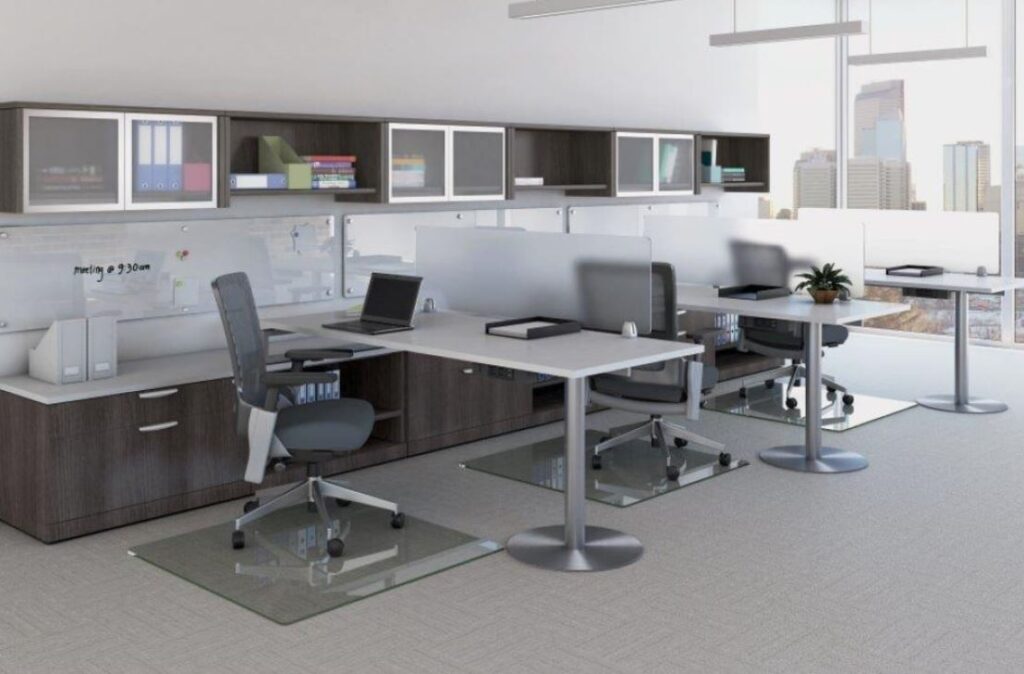
Office seating solutions are becoming a core element of modern workplace design because comfort, productivity, and employee well-being all depend heavily on how seating is planned and implemented. In today’s competitive business environment, companies are no longer treating seating as just furniture; instead, it is viewed as a strategic investment that directly influences performance and satisfaction. When organizations choose the right seating arrangements, they naturally create a more focused and efficient environment where employees can work longer hours without discomfort or fatigue. Good seating also supports posture, reduces physical strain, and improves overall morale, making it an essential part of every office setup.
The demand for well-designed seating has grown rapidly in offices across urban business hubs, especially where long working hours are common. Companies now prioritize adjustable chairs, ergonomic support, and flexible arrangements that match different job roles. Whether it is an executive office, a collaborative workspace, or a customer support floor, seating plays a defining role in shaping workflow and communication. A thoughtfully planned seating system also helps in better space utilization, ensuring that every corner of the office is used efficiently without overcrowding or discomfort.
Importance Of Comfortable Office Seating Solutions In Productivity
The importance of comfortable seating in an office cannot be underestimated because it directly impacts employee productivity and focus. When workers are provided with properly designed chairs and seating layouts, they experience less physical stress, which allows them to concentrate more effectively on their tasks. Poor seating, on the other hand, leads to back pain, fatigue, and distractions that reduce efficiency throughout the day.
Comfortable seating also contributes to mental well-being. Employees who feel physically supported tend to have a more positive attitude toward their work environment. This reduces absenteeism and increases engagement levels across teams. In addition, businesses that invest in quality seating often notice improved collaboration because employees are more willing to participate in meetings and discussions when they are physically comfortable. Over time, this creates a healthier workplace culture where performance and comfort go hand in hand.
Ergonomic Design Trends In Office Seating Solutions
Modern workplaces are increasingly adopting ergonomic principles to improve seating quality and user experience. Ergonomic chairs are designed to support the natural curve of the spine, reduce pressure on the lower back, and encourage proper sitting posture. These features help prevent long-term health issues that can arise from prolonged sitting, such as neck pain and spinal discomfort.
Another important trend in ergonomic seating is adjustability. Chairs with adjustable height, armrests, and lumbar support allow employees to customize their seating position according to their individual needs. This flexibility ensures that people of different body types can maintain comfort throughout the workday. Additionally, breathable materials and cushioned seating surfaces are being widely used to enhance comfort during long working hours, especially in warmer climates.
Organizations are also focusing on dynamic seating options that encourage movement. Instead of static sitting, modern designs promote slight motion and flexibility, which improves blood circulation and reduces stiffness. These innovations are reshaping how companies view office seating, turning it into an active component of workplace wellness rather than a passive necessity.
Types Of Office Seating Solutions For Different Work Environments
Different work environments require different seating arrangements, and understanding these variations is essential for creating an efficient office layout. In executive offices, premium chairs with high back support and luxurious materials are commonly used to reflect authority and provide maximum comfort during long decision-making sessions. These seating options often include advanced ergonomic features and refined designs that match the professional setting.
In open-plan offices, task chairs are widely preferred because they are versatile, lightweight, and easy to adjust. These chairs support daily tasks that require frequent movement and collaboration among team members. Their simple yet functional design makes them suitable for fast-paced work environments where flexibility is important.
For Office seating solutions and conference areas, seating is usually designed to balance comfort with formality. Chairs in these spaces are often structured to support medium-duration sitting while maintaining a professional appearance. Meanwhile, collaborative zones and breakout areas use casual seating such as lounge chairs or modular seating units that encourage creativity and informal discussions. Each seating type plays a unique role in supporting different functions within the office.
How Office Seating Solutions Improve Workspace Design And Efficiency
Office design is not only about aesthetics but also about creating a workflow that enhances efficiency and communication. Proper seating arrangements help define work zones within an office, making it easier for employees to understand their roles and interact with their teams. When seating is strategically placed, it reduces unnecessary movement and improves coordination among departments.
Space optimization is another major advantage of well-planned seating. Offices with limited space can benefit significantly from compact and modular seating solutions that maximize usability without creating clutter. This allows businesses to accommodate more employees comfortably while maintaining a clean and organized environment.
Seating also plays a role in noise management and privacy. In open workspaces, properly positioned chairs and partitions can help reduce distractions and create semi-private work areas. This balance between openness and privacy ensures that employees can collaborate when needed while still having space for focused work. Over time, these improvements lead to a more structured and efficient workplace that supports both individual and team performance.
Conclusion
In conclusion, investing in high-quality seating is essential for building a productive, healthy, and efficient workplace. Office seating solutions are not just about filling space; they are about enhancing employee comfort, improving posture, and supporting long-term workplace efficiency. Businesses that prioritize ergonomic and well-designed seating often experience better performance outcomes and stronger employee satisfaction. A well-structured seating system contributes to a positive work culture where comfort and productivity coexist naturally.
For businesses looking to upgrade their office environment, integrating thoughtfully designed seating with modern workspace planning is a smart long-term decision. With the right approach, companies can create environments that truly support their workforce while maintaining professional appeal. Brands like Modern office table designs continue to play an important role in shaping such modern and efficient office environments, offering solutions that align with both comfort and contemporary design needs.