
Office Workstations Philippines for Professional Offices
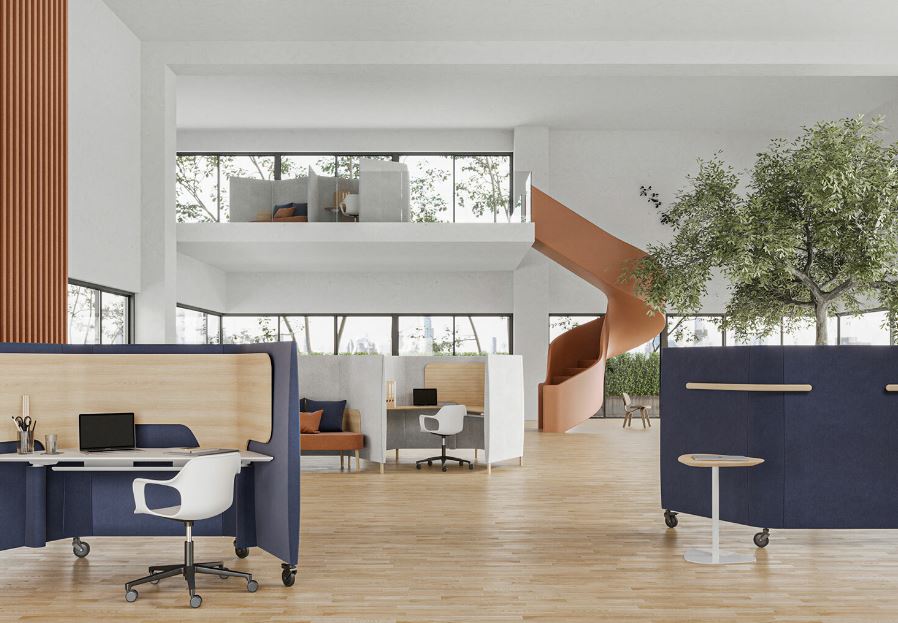
An effective workplace depends on more than attractive furniture. The right workstation can improve organization, privacy, collaboration, and everyday comfort while making better use of available floor space. Businesses searching for Office Workstations Philippines are often comparing desk configurations, materials, layouts, storage options, and pricing before making a purchase. For offices in Manila and Quezon City, workstation planning should also consider room dimensions, team size, work style, accessibility, and future expansion.
What Are Office Workstations?
Office workstations are dedicated work areas designed for employees to perform daily tasks efficiently. A workstation may include a desk surface, modesty panel, partition, storage unit, cable management system, and ergonomic accessories. Unlike a traditional standalone desk, workstation systems can be configured around the needs of a team or department.
Common workstation arrangements include straight desks, L-shaped stations, benching systems, cluster workstations, and partitioned configurations. Each option serves a different purpose. For example, benching can support collaboration, while higher partitions may provide more visual separation for employees who need focused working conditions.
Why Office Workstations Matter for Philippine Businesses
Office space can be a significant investment, particularly in busy commercial areas of Metro Manila. Businesses therefore need furniture that uses available space efficiently without creating a cramped environment.
Well-planned workstations can help organizations create clear employee zones, organized circulation paths, and dedicated collaboration areas. They can also simplify future changes because modular systems are often easier to rearrange than individually fixed desks.
For startups, flexible workstations can support changing team sizes. Established companies may use them to standardize departments while maintaining a consistent workplace appearance. Schools, hospitals, government offices, and professional firms may also require workstation layouts suited to different operational requirements.
Choosing the Right Workstation Layout
The layout should be selected according to how employees actually work. A company with frequent team discussions may benefit from open benching or grouped stations. Departments handling confidential information may require greater separation.
Consider these factors before selecting a layout:
- Number of employees
- Available floor area
- Required desk dimensions
- Privacy requirements
- Storage needs
- Cable management
- Meeting and collaboration areas
- Walkway clearance
- Natural lighting
- Future expansion
- Cleaning and maintenance requirements
A workstation plan should leave enough room for employees to move comfortably without sacrificing productive desk space.
Popular Office Workstation Configurations
Straight workstations are suitable for businesses that need a straightforward and space-efficient arrangement. They work well in administrative departments and offices where employees primarily work individually.
L-shaped workstations provide additional surface area and can separate different work activities. They can be useful for managers, designers, coordinators, and employees who work with multiple documents or devices.
Bench-style workstations place several employees within a shared configuration. This arrangement can make communication easier and may provide an efficient solution for teams working in limited office areas.
Cluster workstations group several desks together. Depending on the partition design, clusters can balance collaboration with a degree of personal workspace.
Private workstation configurations use partitions or surrounding panels to provide greater visual separation. They can be appropriate where concentration, confidentiality, or reduced distractions are important.
What Materials Should You Consider?
The material affects durability, appearance, maintenance, and long-term value. Office Workstations Philippines tops may be produced using different engineered wood products, laminates, or other commercial furniture materials.
When comparing materials, consider:
- Surface durability
- Resistance to everyday wear
- Ease of cleaning
- Moisture resistance
- Edge finishing
- Structural stability
- Available colors and finishes
- Replacement and maintenance requirements
A workstation should not be selected based only on appearance. The materials need to suit the intensity and type of daily office use.
Ergonomics Should Be Part of the Buying Decision
A workstation can look professional while still being uncomfortable if its dimensions are unsuitable for the employee. Desk height, monitor position, chair compatibility, legroom, and keyboard placement all influence everyday comfort.
Employees should have enough space to position their monitors at an appropriate viewing distance while keeping frequently used items within easy reach. Adjustable office chairs can complement workstation systems and help employees establish a more comfortable working position.
Cable management is another important consideration. Properly routed cables reduce clutter and can make cleaning and maintenance easier.
How to Plan Workstations for Manila and Quezon City Offices
Office planning in Manila and Quezon City often requires careful consideration of available floor space. Instead of filling every available area with desks, businesses should create a balanced layout that includes workstations, circulation paths, storage, meeting areas, and employee facilities.
Before ordering furniture, measure the room accurately and identify fixed elements such as columns, doors, windows, electrical points, air-conditioning units, and emergency exits.
A professional furniture consultation can also help businesses determine whether their preferred workstation configuration will work within the existing floor plan.
Office Workstations for Different Business Needs
Startups may prioritize flexibility because employee numbers can change quickly. Modular workstations can make future rearrangement easier.
Corporate offices may require standardized configurations across multiple departments. Consistent furniture dimensions can help create a cohesive workplace while simplifying procurement.
Architects and interior designers often need workstation solutions that complement a broader interior concept. Finishes, partitions, desk shapes, and storage can therefore be coordinated with the overall design.
Schools and training centers may need durable workstations that accommodate administrative activities, computer-based tasks, or staff operations.
Government offices and hospitals may have additional requirements involving organization, accessibility, durability, and department-specific workflows.
What Should You Check Before Buying?
Before purchasing, create a practical checklist rather than focusing only on the furniture’s appearance.
Check the workstation dimensions, construction, surface finish, edge quality, stability, storage compatibility, partition options, cable management, and available configurations. Ask whether replacement components are available and whether the furniture can be reconfigured if your workplace changes.
It is also useful to clarify delivery, installation, warranty, customization, and after-sales support before placing a large order.
Common Office Workstation Buying Mistakes
One common mistake is purchasing desks before measuring the office. A workstation that looks appropriate in a showroom may not fit efficiently into the actual workplace.
Another mistake is ignoring employee workflow. A layout designed without understanding how departments communicate can create unnecessary movement and reduce collaboration.
Businesses can also overlook storage and cable management. These details may seem minor initially but can have a noticeable effect on everyday organization.
Choosing furniture solely because it has the lowest initial price can also create problems if the product does not meet the demands of daily commercial use. A better approach is to consider durability, usability, maintenance, and expected service life alongside the purchase price.
How to Compare Office Workstation Suppliers
When evaluating suppliers for Office Workstations Philippines, compare more than catalog photographs. Look at product specifications, customization options, installation services, materials, warranty terms, lead times, and customer support.
A supplier should also be able to discuss your floor plan and recommend configurations based on employee numbers and workplace requirements.
For larger projects, request a quotation based on your actual layout rather than relying on a generic per-desk price. This can provide a clearer picture of the total furniture investment, including accessories and installation where applicable.
Building a More Functional Workplace
Modern offices need furniture that supports different ways of working. Employees may spend part of the day concentrating individually and another part collaborating with colleagues. A flexible workstation system can help businesses accommodate these changing activities.
The goal is not simply to fit the maximum number of desks into a room. The objective is to create a workplace where employees can work comfortably, move efficiently, communicate when necessary, and maintain an organized environment.
Businesses planning a new office or renovation can review workstation dimensions, employee requirements, floor plans, storage, and future growth before making a final selection. Modern Office Table Designs can also be considered when exploring workstation and office furniture solutions suited to contemporary workplace requirements.
Frequently Asked Questions
What are the best office workstations for small offices?
Compact straight or bench-style workstations can make efficient use of limited floor space while maintaining dedicated employee areas.
How much space should be planned for an office workstation?
The required space depends on desk dimensions, chair movement, circulation, storage, and the overall room layout. Measuring the complete floor plan is essential before ordering.
Can office workstations be customized?
Many workstation systems can be customized through different desk sizes, configurations, partitions, finishes, storage units, and accessories.
Are workstations suitable for corporate offices?
Yes. Workstations can be configured for individual departments, open-plan teams, management areas, and other corporate workplace requirements.
What should I ask an office furniture supplier?
Ask about materials, dimensions, customization, installation, warranty, delivery, maintenance, replacement components, and after-sales support.
Can workstations be used in Manila and Quezon City offices?
Yes. Workstation configurations can be planned around different office sizes and workplace requirements in Manila, Quezon City, and other parts of Metro Manila.
Final Thoughts
Selecting Office Workstations Philippines should be based on workplace requirements rather than appearance alone. The right combination of layout, dimensions, materials, ergonomics, storage, cable management, and flexibility can help businesses create a more organized and functional office.
Whether you are furnishing a startup, expanding a corporate office, renovating a professional workplace, or planning furniture for a school, hospital, or government department, begin with your floor plan and employee requirements. From there, compare suitable workstation configurations, request a detailed quotation, and confirm installation and after-sales support before making your purchase.