
Professional Office Furniture for Metro Manila Workspaces
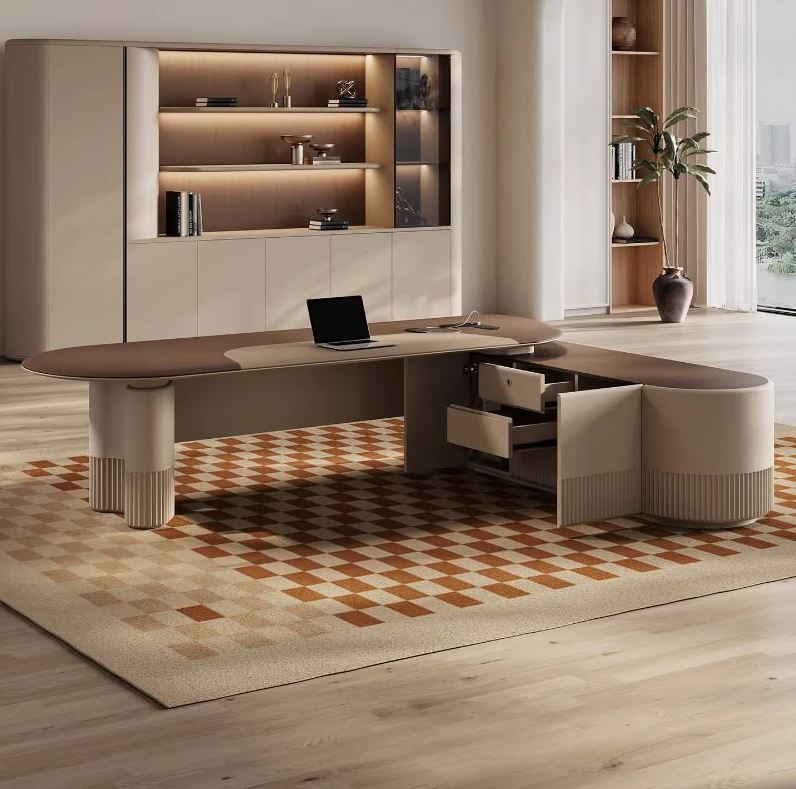
Choosing the right Professional Office Furniture is an important decision for businesses that want a workspace that looks polished, supports productivity, and remains comfortable throughout the working day. In Manila and Quezon City, offices range from compact startup spaces to large corporate environments, so furniture needs can vary significantly. The right combination of desks, chairs, workstations, storage units, meeting tables, and reception furniture can help create an organized workplace that reflects the company’s identity while making everyday tasks easier.
Why Professional Office Furniture Matters
Office furniture does more than fill an empty room. It influences how employees work, communicate, organize documents, and use available space. A poorly planned office may have attractive pieces but still feel crowded or uncomfortable. Professional furniture, when selected according to the layout and requirements of the workplace, can provide better support for employees and create a more efficient environment.
Businesses should consider the nature of their operations before purchasing furniture. A company with individual administrative workstations may need a different setup from a creative agency, call center, law office, school administration department, or healthcare facility. Understanding these differences helps decision-makers choose furniture that serves a practical purpose rather than simply following a visual trend.
How to Choose Furniture for a Professional Workplace
The first step is to understand the available floor area. Measure the room, identify doors and windows, and consider fixed elements such as columns, electrical outlets, and storage areas. This information makes it easier to determine how many desks and workstations can fit without making the office difficult to navigate.
The second consideration is employee comfort. Office chairs should provide appropriate back support and allow users to maintain a comfortable working position. Desks should offer sufficient surface space for computers, documents, and other frequently used equipment. When employees can work comfortably, the furniture becomes a functional part of the workplace rather than an obstacle.
Storage should also be planned carefully. Filing cabinets, pedestals, shelving, and other storage solutions can reduce clutter and keep important materials accessible. A clean workspace is easier to maintain and can create a more organized impression for employees, clients, and visitors.
Office Desks That Support Everyday Work
The desk is one of the most frequently used pieces of office furniture. Its size, shape, construction, and storage options should match the employee’s responsibilities.
Executive desks can provide a substantial work surface and a formal appearance for private offices. Staff desks are generally designed around practical daily tasks, while compact desks may be useful where floor space is limited. Bench-style workstations can support teams that need to collaborate regularly and make efficient use of larger open-plan areas.
When comparing Professional Office Furniture, buyers should consider more than appearance. Surface durability, cable management, legroom, storage, maintenance requirements, and compatibility with office equipment can all influence long-term value.
Office Workstations for Manila and Quezon City Offices
Workstations are particularly useful for businesses that need to accommodate several employees within a defined area. They can establish individual work zones while maintaining an open and connected office environment.
A well-planned workstation arrangement can help businesses use floor space efficiently. Partition heights, desk orientation, storage placement, and circulation paths should be considered together. For companies expecting to expand, modular workstation systems can also make future changes easier.
For offices in busy commercial areas of Manila and Quezon City, space efficiency can be especially important. Instead of filling a room with oversized desks, businesses can select appropriately scaled workstations that provide employees with sufficient working space while preserving clear pathways.
Choosing the Right Office Chair
An office chair should be selected according to how employees actually use it. Someone who spends most of the day working at a computer may require different features from a visitor who only sits for a few minutes.
Adjustability is an important consideration. Seat height, back support, armrests, and other adjustable elements can help users find a comfortable position. The chair should also complement the desk height and allow adequate legroom.
Businesses purchasing chairs in large quantities should consider durability and maintenance as well as initial cost. A lower-priced chair may not always provide the best value if it needs frequent replacement.
Meeting Tables and Collaborative Areas
Modern offices often require dedicated spaces for meetings, interviews, presentations, and team discussions. A suitable conference table can give these areas a professional appearance while providing enough room for participants and equipment.
The size of the meeting table should correspond to the room. A table that is too large can restrict movement, while one that is too small may make meetings uncomfortable. Consider seating capacity, presentation equipment, power access, and circulation space before making a purchase.
Small meeting tables can work well for informal discussions, while larger conference tables are better suited to formal meetings involving several participants.
Reception Furniture Creates the First Impression
The reception area is often the first part of an office that clients, suppliers, candidates, and business partners see. Reception desks, visitor chairs, side tables, and storage should therefore create a welcoming but professional environment.
The reception desk should provide enough space for staff to work without overwhelming the entrance area. Visitor seating should be comfortable and arranged so people can wait without obstructing walkways.
Furniture finishes can also support the company’s visual identity. Neutral designs can create a timeless appearance, while carefully selected materials and finishes can introduce a distinctive character without making the space look overly decorated.
Storage Solutions for an Organized Office
Efficient storage is essential for businesses that handle paperwork, supplies, equipment, or confidential documents. Filing cabinets and mobile pedestals can keep frequently used items close to employees while reducing desk clutter.
Storage should be positioned according to usage. Documents that employees access frequently should remain within convenient reach, while archived materials can be stored in less prominent areas.
Businesses should also consider security requirements when selecting storage furniture. Where sensitive documents are involved, lockable cabinets may be appropriate.
Professional Furniture for Different Business Types
There is no single furniture arrangement that works for every organization. Corporate offices may require executive offices, meeting rooms, collaborative workstations, and reception areas. Startups may prioritize flexible layouts and efficient use of limited space.
Architects and interior designers may need furniture that fits a specific design concept while satisfying practical requirements. Procurement teams often have to balance quality, budget, quantity, delivery schedules, and long-term maintenance.
Schools, government offices, and hospitals can have additional requirements relating to durability, organization, accessibility, and frequent daily use. The best furniture solution is therefore one that starts with the actual needs of the organization.
How to Create a Cohesive Office Design
A professional office does not necessarily require every furniture item to look identical. However, there should be a sense of visual consistency throughout the workspace.
Desk finishes, chair styles, storage units, reception furniture, and meeting tables should work together. Color, material, proportions, and overall design language can be coordinated to create a unified appearance.
It is also useful to distinguish different areas by function. Reception areas can have a more welcoming design, while workstations can focus on practicality. Meeting rooms can combine a formal appearance with technology-friendly furniture, and executive offices can incorporate larger desks and additional storage.
Common Office Furniture Buying Mistakes
One common mistake is purchasing furniture before measuring the office. Even attractive furniture can become problematic if it restricts movement or makes the room feel crowded.
Another mistake is focusing entirely on price. Initial cost matters, but durability, usability, maintenance, and replacement requirements also affect the total value of an office furniture investment.
Businesses should also avoid selecting furniture based only on appearance. A stylish desk that lacks sufficient workspace or a chair that looks attractive but provides poor adjustability may not be suitable for intensive daily use.
Finally, businesses should not overlook future requirements. If the company expects to add employees, relocate departments, or change its office layout, flexible furniture can provide greater long-term usefulness.
Buying Professional Office Furniture in the Philippines
Businesses searching for office furniture in the Philippines should evaluate suppliers based on product range, customization options, materials, quality, after-sales support, delivery capabilities, and their ability to understand commercial workspace requirements.
For companies in Manila and Quezon City, local accessibility can make the purchasing process easier. Buyers may be able to discuss their floor plan, furniture requirements, preferred finishes, budget, and expected quantity directly with a supplier before finalizing an order.
For larger projects, it is useful to request a quotation based on the complete furniture requirement rather than purchasing individual pieces without considering the overall workspace.
Why Professional Planning Makes a Difference
Office furniture works best when it is planned as part of the overall workspace. The objective should not simply be to place desks and chairs inside a room. Instead, businesses should think about employee movement, collaboration, privacy, storage, technology, visitors, and future changes.
A professional furniture plan can help identify potential problems before installation. It can also make it easier to coordinate workstations, executive areas, meeting spaces, reception zones, and storage.
This approach is particularly valuable for companies moving into a new office or renovating an existing workplace.
Frequently Asked Questions
What is Professional Office Furniture?
Professional office furniture refers to workplace furniture designed for business environments, including desks, chairs, workstations, conference tables, reception desks, and storage solutions.
How do I choose office furniture for a small office?
Start by measuring the available space and identifying essential furniture requirements. Compact desks, modular workstations, mobile storage, and appropriately sized chairs can help maximize usable floor area.
What office furniture is suitable for corporate offices?
Corporate offices commonly require employee workstations, executive desks, ergonomic seating, meeting tables, conference furniture, reception desks, and organized storage.
Is custom office furniture worth considering?
Custom furniture can be useful when an office has unusual dimensions, specific functional requirements, or a particular design concept that standard furniture cannot accommodate.
What should I consider when buying office furniture in Manila?
Consider available space, employee requirements, furniture quality, durability, design, budget, delivery, installation, and the supplier’s ability to support commercial projects.
How can office furniture improve workplace organization?
Appropriately planned desks, workstations, cabinets, pedestals, and storage units can give employees designated spaces for work materials and reduce unnecessary clutter.
What furniture is needed in an office reception area?
A reception desk, comfortable visitor seating, appropriate storage, and supporting tables or accessories are common requirements. The exact selection depends on the size and function of the reception area.
Should office furniture match the company brand?
It does not have to match perfectly, but coordinated finishes, colors, and furniture styles can help create a consistent professional environment.
Building a Better Office Furniture Investment
The right office furniture should support people, operations, and the physical environment at the same time. Businesses should look beyond individual products and consider how every piece contributes to the complete workspace. Comfortable seating, practical desks, efficient storage, suitable workstations, and well-planned meeting areas can create an office that feels organized and purposeful.
For organizations planning a new workplace or upgrading an existing one, Modern Office Table Designs can be considered as part of the process of exploring suitable office furniture solutions. Before purchasing, businesses should define their requirements, measure the available space, compare suitable options, and request a quotation based on their actual needs.